In a nation where politics seems increasingly chaotic, the Senate has become the center of a drama that goes beyond ordinary power struggles. It is a portrait of fear, ambition, and betrayal of duty. Senator Lapuk, who had not returned to the Senate for six months, remained in hiding due to fear of arrest by the International Criminal Court (ICC). He is implicated in allegations of extrajudicial killings resulting from President Goding's war on drugs against his enemies in the drug trade.
Lapuk's Return and the Senate Coup
During his absence, the Senate continued its work, but Lapuk's presence became a political ghost. Many speculated he would never return, but a sudden order from Senator Kaldero changed everything. Kaldero, a politician known for his ambition and skill in manipulating power, planned a move some called a "coup within the Senate." The goal: seize the Senate presidency and use Lapuk's situation as a tool. On a cold, heavy morning, Senator Lapuk arrived at the Senate building. His face showed anxiety, and his steps were hesitant, like a man walking toward his own punishment. Meanwhile, NBI agents were already around the Senate, monitoring and preparing to serve a warrant of arrest against him.
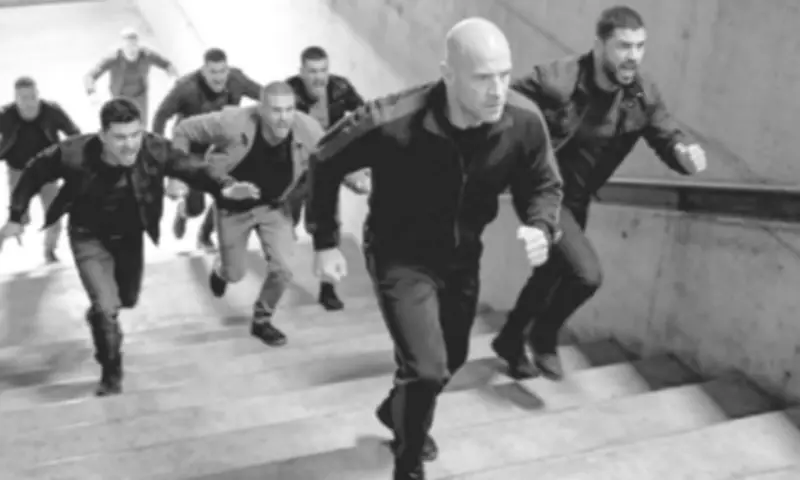
Instead of stopping, Lapuk rushed up the stairs, stumbling and trembling. His mind was full of questions: Was safety or political death waiting for him inside? As he approached the plenary hall, tension rose. Staff were worried, and the Senate became a stage for drama.

Kaldero's Rise to Power
Suddenly, through Kaldero's influence and his allies who dominated the majority, a swift leadership change occurred. In a process that was legal in form but questionable in principle, the previous leader was ousted, and Kaldero became the new Senate President. His allies applauded, while others remained silent, watching an institution whose pillar of integrity seemed broken.
Lapuk's presence, instead of bringing justice, became the cause of further chaos. Some opposed the idea of not arresting him while inside, even though he was considered a fugitive from the law. For others, this was a clear distortion of justice: if a person is in power, they are protected, but if not, they are easily accused and arrested. As hours passed, the Senate, once a symbol of democracy, became a hiding place for those wanted by the law and their allies. Justice, which should be fair and impartial, became dependent on who wins the power of the majority.
Questions for the Nation
In the end, the nation was forced to ask: If the institutions built to protect the people are themselves confused about their role, who else can be trusted? And if the truth is twisted by power and interest, has this country truly been abandoned by God, or have the people themselves abandoned the truth? Currently, the search for Senator Lapuk continues, as he continues to hide and evade. He attempted to file a Temporary Restraining Order (TRO) with the Supreme Court to prevent his arrest, but it was denied by the court. Despite this, he still does not appear in public, and fear persists that he may be arrested at any time.
The situation has become more difficult as the Senate itself is confused about whether to follow the law or politics. In the midst of power, fear, and ambition, true justice proves to be the hardest to find in a nation torn apart by its own leaders.