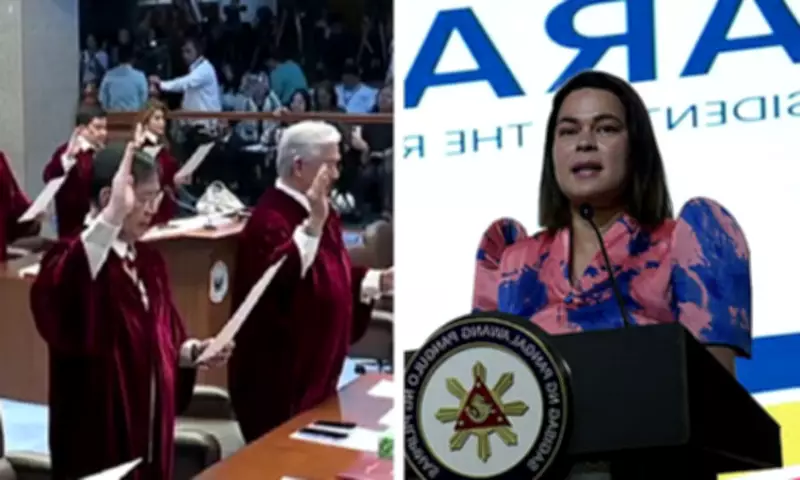
The Philippine Senate officially transitioned into an impeachment court in mid-May 2026, with Senate President Alan Peter Cayetano administering oaths to 23 senator-judges to try Vice President Sara Duterte. The historic proceedings follow systemic accusations transmitted by the House of Representatives regarding the alleged misuse of confidential funds and explicit threats made against President Ferdinand Marcos Jr. and other top officials. The Senate ordered formal summons giving Vice President Duterte 10 calendar days to file her response, amid heightened nationwide police deployments bracing for intense public demonstrations from opposing political factions.
Why It Matters
The proceedings represent the ultimate constitutional mechanism for accountability under the 1987 Philippine Constitution, which vests the Senate with the sole power to try and decide all impeachment cases. Removing an elected vice president requires a demanding two-thirds majority vote of all senators, making the outcome a direct reflection of legislative independence and shifting political alignments.
Beyond the walls of the legislature, the trial threatens to ignite deep-seated societal volatility. The Philippine National Police has placed units across Metro Manila and several regions on high alert. Law enforcement expects intense demonstrations from opposing political factions, particularly around the Senate building and within Davao City, turning a legal process into a critical test of public order and civil stability.

The Bigger Picture
The trial is the climax of an absolute fracture within the ruling political coalition. The House of Representatives officially transmitted the Articles of Impeachment following systemic allegations against the Vice President. Central to the accusations is the alleged misuse of confidential funds linked to irregularities within both the Office of the Vice President and the Department of Education during her tenure as department secretary.
The charges extend far beyond financial mismanagement, citing a fundamental betrayal of public trust and culpable violations of the Constitution. Crucially, the complaints incorporate explicit threats made by the Vice President against President Ferdinand Marcos Jr., First Lady Liza Araneta Marcos and former House Speaker Martin Romualdez, elevating the dispute from an executive disagreement to an existential crisis at the highest levels of governance.
What to Watch
The immediate trajectory of the trial centers on strict procedural timelines. The Senate has directed the issuance of formal summons, granting the Vice President ten calendar days to file her response to the complaints. Once her camp submits its defense, the House prosecution panel receives five days to respond.
As the formal trial gets underway, the key variables will be the durability of public peace under heavy police supervision, the legal fallout surrounding absent figures like Senator Dela Rosa, and the shifting loyalties among the 23 senator-judges. Whether the prosecution can assemble the necessary two-thirds supermajority to convict will determine not only the fate of the Vice President but the future trajectory of leadership in the Philippines.