In a dramatic escalation of tensions, the United States military conducted a large-scale strike on Venezuela on Saturday, January 3, 2026, resulting in the capture of the country's president, Nicolas Maduro, and his wife. The detained leaders were subsequently transferred to U.S. territory, an action that has ignited a firestorm of international criticism and protests.
Trump Announces Plan for Venezuelan Oil Revenue
Days after the military operation, U.S. President Donald Trump outlined a controversial plan for Venezuela's vast oil resources. In a post on his Truth Social platform on Tuesday, January 6, 2026, Trump stated that Venezuelan authorities "will be turning over" between 30 million and 50 million barrels of oil to the United States.
He claimed the oil would be sold at market price, with the proceeds intended to benefit both the Venezuelan and American people. Crucially, Trump declared that the revenue would be controlled by him in his capacity as U.S. President. To execute this plan, he has assigned U.S. Energy Secretary Chris Wright.

Global Backlash and Accusations of Oil Motives
The U.S. administration's actions have faced immediate and widespread condemnation. Many nations and international observers view the military incursion as an unlawful act, primarily driven by a desire to control Venezuela's significant oil reserves, which are among the largest in the world.
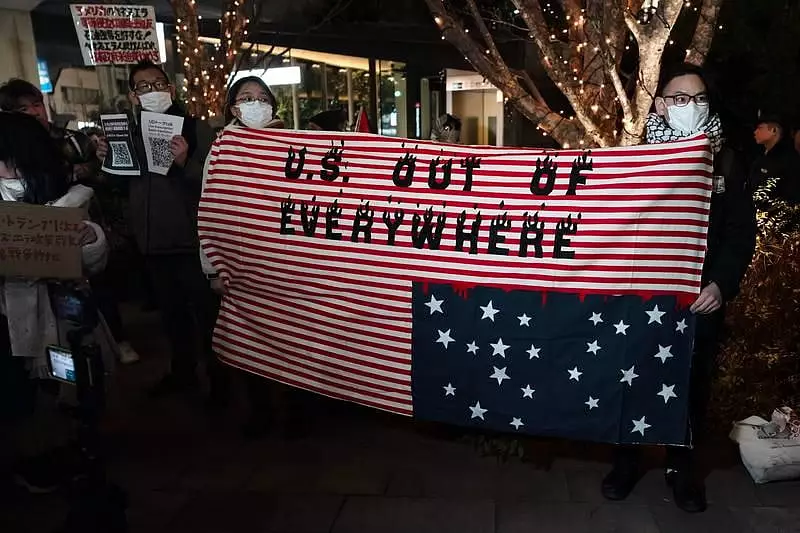
Protests have erupted globally, including a demonstration in front of the U.S. embassy in Tokyo, Japan, on January 6, where supporters of Venezuela voiced their opposition. The military strike and the subsequent focus on oil have led to accusations that the operation's core objective is resource appropriation rather than any stated political or humanitarian goal.
Rebuilding Infrastructure and Ongoing Fallout
In a related development, President Trump suggested in an interview with NBC News on Monday, January 5, that Washington might subsidize American oil companies to rebuild Venezuela's damaged energy infrastructure. This remark followed a press conference where he repeatedly mentioned "oil" approximately twenty times, further fueling perceptions of the operation's economic underpinnings.
The forcible seizure of a sitting head of state on sovereign soil marks an unprecedented move in modern hemispheric relations. The situation continues to develop, with the international community grappling with the legal and geopolitical implications of the U.S. military strike, the capture of President Maduro, and the direct claim on Venezuelan national resources.