In a stark warning issued on Monday, US President Donald Trump indicated that Cuba could become the next focal point for Washington's military and political actions, following recent escalations in Venezuela and Iran. Speaking to reporters at the White House, Trump made his intentions clear, stating, "We may stop by Cuba after we're finished with this."
Reiterating Previous Statements on Cuba's Status
Trump reinforced his longstanding criticism of Cuba, repeating earlier declarations that label the nation as a "failing nation." This characterization comes amid ongoing geopolitical tensions, with the US administration maintaining a firm stance against countries it perceives as adversaries.
Timing and Context of the Threat
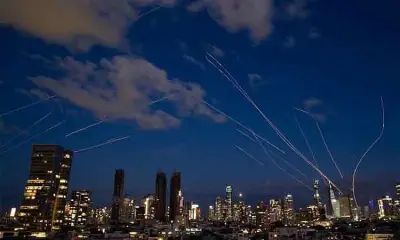
The threat against Cuba emerged just days after the US initiated military operations in Iran, highlighting a pattern of aggressive foreign policy moves. Trump cautioned that Cuba "will fall soon," but emphasized that his administration's immediate focus remains on the continuing conflict in Iran "for now."

In a more informal setting, Trump hinted at future actions during an investment forum in Florida later last month, quipping, "Cuba is next, by the way, but pretend I didn't say that." This offhand remark underscores the unpredictable nature of current US diplomatic strategies.
Economic and Energy Crisis in Cuba
Cuba is currently grappling with a severe economic and energy crisis, exacerbated by recent US military interventions. The situation worsened after US forces attacked Venezuela and forcibly removed Venezuelan President Nicolas Maduro on January 3.
The US operation in Caracas has significantly disrupted Cuba's oil supply chains from Venezuela and Mexico, leading to critical shortages and further straining the island nation's already fragile economy. This disruption highlights the interconnected impacts of US foreign policy decisions across the region.
Broader Implications for Regional Stability
Trump's warnings signal a potential expansion of US military involvement in Latin America, raising concerns about regional stability and international relations. The targeting of Cuba, following actions in Venezuela and Iran, suggests a broader strategy aimed at reshaping geopolitical dynamics in areas of strategic interest to Washington.
As tensions continue to mount, the international community watches closely, assessing the potential consequences of such threats on global diplomacy and economic ties. The ongoing crises in Cuba and other nations underscore the complex challenges facing world leaders in an era of heightened geopolitical competition.