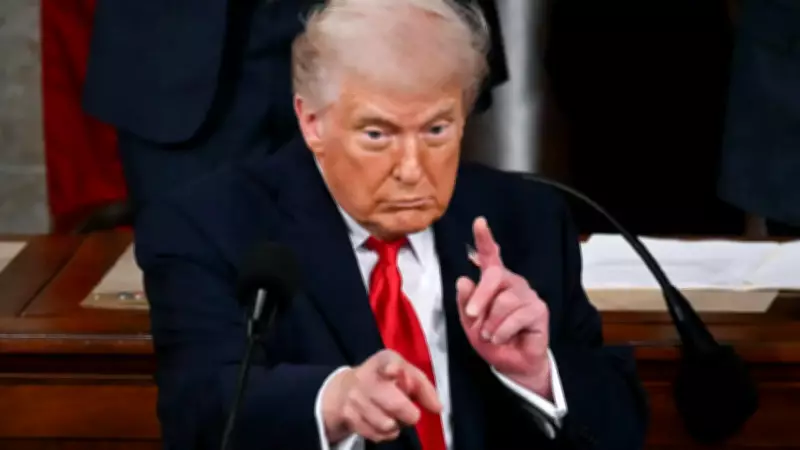
In a significant escalation of tensions in the Middle East, US President Donald Trump has issued a direct warning to Iran, cautioning that the nation will face a more severe military response if it persists in blocking oil supplies from the region. This statement comes in the wake of declarations by Iran's Islamic Revolutionary Guards Corps, which announced they would halt oil exports as long as attacks by the United States and Israel continue.
Iran's Stance and Trump's Response
According to a spokesperson for Iran, as reported by state media, the country will determine when the conflict ends, emphasizing their control over the situation. In a firm rebuttal, President Trump explicitly stated that America would retaliate if tanker traffic through the critical Strait of Hormuz is disrupted. Currently, operations in the Strait of Hormuz have been suspended, impacting approximately one-fifth of the global oil supply, leading to widespread economic concerns.
Global Implications and Strategic Adjustments
The ongoing air and missile strikes, which began in late February, have already resulted in significant civilian casualties. The UN ambassador for Iran reported that the death toll has reached 1,332 civilians, highlighting the human cost of the conflict. Meanwhile, global financial markets continue to experience volatility due to the heightened tensions.

In response to the potential oil shortage, the United States is considering easing oil-related sanctions on other countries, including Russia, as a measure to mitigate supply disruptions. This strategic move aims to stabilize the global energy market amidst the escalating crisis.
Broader Context and Future Outlook
The situation underscores the fragile balance in Middle Eastern geopolitics, where oil supply chains are intertwined with military and diplomatic maneuvers. As both sides maintain their positions, the international community watches closely, with fears of further escalation looming. The outcome of this standoff could have lasting effects on global energy security and regional stability.