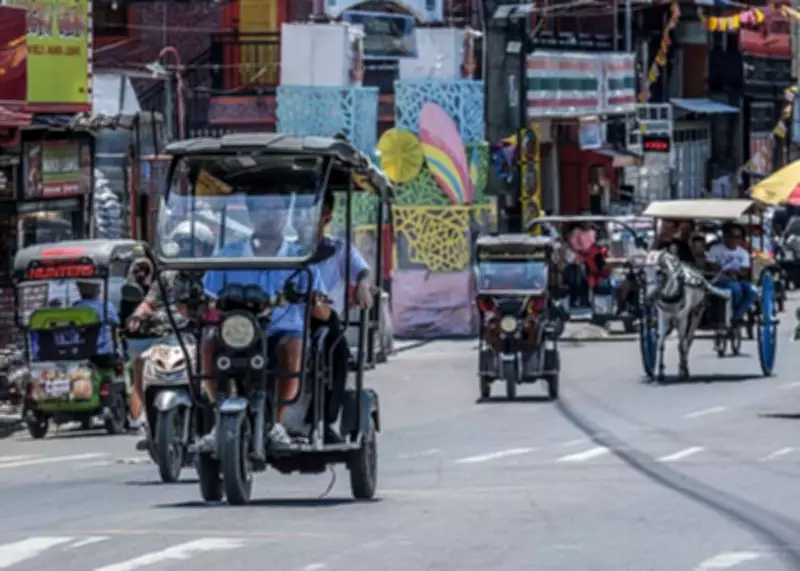
In response to the escalating hardships faced by the transport sector and commuters in Cebu City due to the worsening surge in petroleum prices, local officials are moving to pass a resolution that would permit electric vehicles to operate on the city's major thoroughfares.
Proposed Temporary Measure for Electric Vehicles
Councilor Edgardo "Jaypee" Labella II is set to introduce a resolution during a regular session to authorize electric trikes (e-trikes), four-wheel electric carts (e-carts), and electric cars (e-cars) to travel on key roads across the city. This initiative emerges against the backdrop of a disrupted global oil supply linked to Middle East tensions, which has driven up crude oil prices and impacted Asia, including the Philippines.
National Protests and Local Solutions
Across the nation, transport groups have launched protests against the rising fuel costs, while passengers and motorists grapple with increasing daily travel expenses. Under the proposed measure, e-trikes, e-carts, and e-cars would be allowed on major roads, provided they meet basic requirements such as valid registration with the Land Transportation Office (LTO), proper driver's licenses, and compliance with traffic rules enforced by the Cebu City Transportation Office (CCTO).

Labella emphasized that this step aims to provide relief to transportation operators and passengers. "Every day of delay means additional costs for Cebuanos on fuel that they shouldn't have to spend. This resolution is Cebu City's response to the crisis," he stated.
Safety Concerns and Long-Term Planning
The resolution also mandates the Committee on Transportation in the City Council to expedite the creation of a permanent ordinance or implementing rules and regulations (IRR) within 60 days. The committee is expected to collaborate with the Land Transportation Office, Cebu City Transportation Office, Department of Energy, and other stakeholders to develop a sustainable solution for electric vehicle usage in the city.
However, potential challenges to the proposal have been foreseen due to safety concerns. Authorities have previously restricted the use of e-trikes and similar low-speed vehicles on major highways, particularly in Metro Manila, citing risks from mixing slow-moving vehicles with fast-paced traffic. Officials have warned that this could increase the likelihood of road accidents, as many electric trikes and carts are not designed for high-speed roads.
Despite these concerns, Labella highlighted the urgency of seeking alternative transportation solutions amid the ongoing global crisis. He noted that the city government must balance safety with the need for convenient and accessible transport options, underscoring the importance of innovative approaches to mitigate the impact of fuel price hikes on the local community.