Cebu's Electric Taxi Fleet Ignites Controversy Over Traffic and Environmental Priorities
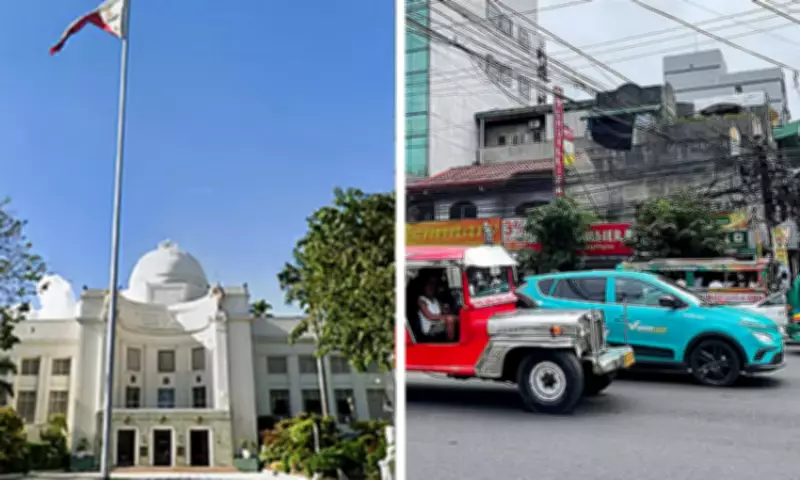
The recent introduction of a new fleet of electric taxis in Cebu has ignited a heated public debate, raising a critical question: should the push for environmental sustainability take precedence over addressing the province's severe traffic congestion? While these eco-friendly vehicles promise to reduce carbon emissions, local officials express deep concerns that adding more cars to the already crowded roads could exacerbate traffic problems, potentially undermining the green initiative's benefits.
Provincial Board Launches Formal Inquiry into Electric Taxi Operations
On Monday, February 9, 2026, the Cebu Provincial Board (PB) convened a committee hearing to investigate the operations of Green and Smart Mobility (GSM), a Vietnam-based company that recently deployed its electric taxi fleet in Cebu. This inquiry was initiated by PB Member Stanley Caminero, who called for a review to assess whether GSM complies with local transportation plans and national energy regulations. Caminero emphasized that merely increasing the number of vehicles on the road is not an effective strategy for environmental protection, arguing for a more holistic approach to urban mobility.
Core Issue: Replacement Versus Addition of Vehicles
The central point of contention revolves around whether these new electric taxis are replacing older, gas-powered vehicles or simply adding to the existing traffic volume. Caminero clarified that the intent of relevant laws is not just to swap internal combustion engine vehicles with electric ones on the streets but to prioritize public utility vehicles (PUVs) that are subject to stricter regulatory oversight. He advocated for giving current taxi drivers the opportunity to transition to electric vehicles first, a move that could lower pollution levels without increasing the overall number of cars, thus balancing environmental and traffic concerns.

Legal Ambiguities and Regulatory Challenges
The Land Transportation Franchising and Regulatory Board (LTFRB) provided insights into the permitting process, revealing that GSM received its authorization directly from the national office in Manila on November 24, 2025, bypassing initial evaluation by the local regional office. This has raised questions about local oversight and control. Additionally, Edwin Antipuesto, an LTFRB hearing officer, highlighted a significant legal loophole: the New Public Service Act of 2022 defines PUVs as vehicles with traditional engines, leaving electric taxis in a regulatory gray area. Antipuesto cautioned that GSM's current permit is provisional, noting that extension beyond the initial 90-day period is not guaranteed, adding uncertainty to the company's future operations.
GSM's Defense and Preparedness
In response to the inquiry, GSM's lawyer, Mac Gordon, asserted that the company has adhered to all regulatory requirements and is confident in securing full permit approval, backed by support from major manufacturer VinFast. Gordon stated that Green GSM has been thoroughly prepared, complying with all necessary licenses and local government mandates well in advance. The company has already established its operational base in Cebu, including a garage at SM Seaside and multiple charging stations, demonstrating its commitment to launching and maintaining the electric taxi service efficiently.
Implications for Local Authority and Future Transport Policies
The outcome of this inquiry holds significant implications for local governance, as it will determine the extent of local leaders' influence over transportation decisions made at the national level in Manila. For now, the committee continues to examine the fleet's impact on traffic patterns and verify compliance with safety and legal standards. Residents of Cebu are left to await the results, which will decide whether these green taxis represent a sustainable future for the province's transport system or merely contribute to its traffic challenges, highlighting the ongoing tension between environmental innovation and urban infrastructure management.