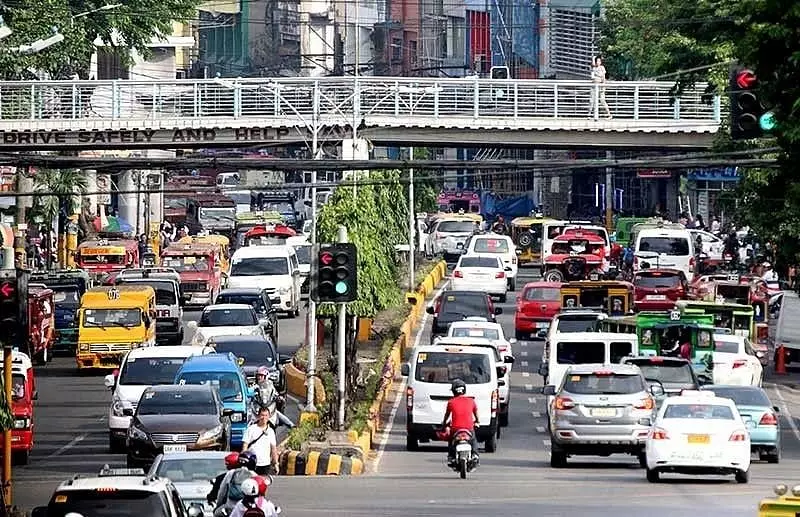
The drive to modernize public transport in the Philippines is creating a direct clash between global environmental ambitions and the local struggle for economic survival. In Metro Cebu, the planned introduction of electric vehicles (EVs) has ignited a crucial debate: Can the city pursue a high-tech, eco-friendly future without sidelining its established transport operators?
The Heart of the Standoff: Fairness in a Green Transition
On Monday, January 5, 2026, the tension reached a critical point. The United Cebu Taxi Operators Association (Uctoa) declared its members are prepared to purchase their own electric taxis. This announcement came while the scheduled rollout of 600 EV units by Vietnam-based company Green and Smart Mobility (GSM) remained suspended.
The suspension was facilitated by the Provincial Government under Governor Pamela Baricuatro, following an appeal from local players against GSM's launch, originally set for December 19, 2025. The dispute has evolved from a simple business expansion into a broader conflict over licensing fairness and the strategic direction of Metro Cebu's entire transport system.

Massive Stakes for Cebu's Economy and Commuters
The outcome of this conflict carries significant weight for Cebu's economy. A study by the Japan International Cooperation Agency (Jica) reveals that traffic congestion in Metro Cebu results in staggering daily economic losses of approximately P1.1 billion. While 60% of the population depends on public transport, these commuters are crammed into just 10% of the vehicles on the road.
For the average commuter, more taxis could promise shorter waits and cleaner air. For local operators, however, the potential entry of a large, foreign-backed fleet feels like an existential threat. Key issues include:
- Financial Disparity: Local companies like Ken Taxi and Yoo Taxi have built their fleets over three decades, paying up to P500,000 per franchise unit. They view GSM's potential block of 600 units as "preferential treatment."
- High Cost of Entry: Uctoa president Richard Cabucos pointed out that a single EV unit costs around P968,000. Although financing is available through the Cooperative Bank of Cebu, local operators need time to adapt their business models.
- Infrastructure Gaps: Governor Baricuatro emphasized that Cebu currently lacks sufficient charging stations and a stable power supply to immediately support a large-scale EV fleet.
Two Conflicting Visions for Cebu's Roads
The conflict presents two distinct perspectives on modernization:
The Local Operators' Plea: "Give us a year," says Uctoa's Cabucos. The association is not opposed to the technology but requests a one-year transition period to acquire their own EV units and develop an independent ride-hailing app. They argue that adding 600 new units will exacerbate the metro's already severe traffic congestion.
The New Entrant's Position: GSM maintains this is "not a competition." A company spokesperson described GSM as an IT firm aiming to fill systemic gaps and help Cebu meet environmental targets, positioning themselves as partners in modernization rather than displacers of local business.
How the Dispute Unfolded and What Comes Next
The flashpoint occurred after the Land Transportation Franchising and Regulatory Board (LTFRB) issued a new memorandum in November 2025. GSM applied for 600 units within 24 hours, a move that caught local operators off guard. This led to a formal opposition filing on December 23 and the subsequent suspension by the governor.
This case is a critical test for the Electric Vehicle Industry Development Act (Evida). Local operators contend that granting a massive block of franchises to a single entity violates principles of fair competition and discriminates against long-term stakeholders.
The immediate future of Cebu's transport will be decided in the coming weeks:

- January 15: The LTFRB will hold a formal hearing on Uctoa's opposition to GSM's permit.
- February: The Cebu Transport Council will meet to finalize a province-wide transport roadmap.
- First Quarter of 2026: Officials anticipate completing the Local Public Transport Route Plan, which will ultimately determine how many vehicles—electric or otherwise—Cebu's roads can sustainably handle.
The standoff in Cebu mirrors a global urban planning challenge, highlighting the difficult balance cities must strike between integrating big-tech mobility solutions, protecting traditional livelihoods, and urgently building climate-resilient infrastructure.