Taxi operators in Metro Cebu have declared their readiness to purchase electric vehicle (EV) taxi units. This move comes even as the plan of Vietnamese ride-hailing firm Green and Smart Mobility (GSM) to deploy 600 EV taxis remains suspended.
Operators Request Time to Compete
Richard Cabucos, President of the United Cebu Taxi Operators Association (UCTOA), stated on Monday, January 5, 2026, that local operators are prepared to invest in EVs. This readiness is bolstered by the Cooperative Bank of Cebu's offer to lend up to P30 million per operator to fund the shift to electric taxis.
Cabucos formally requested at least a one-year grace period before GSM's fleet is fully launched. This time, he argued, is crucial for Cebuano operators to acquire their own EV units and build resilience against the impending competition. "Give us one year so we, the majority, can buy units, their Electric (EV) units," Cabucos said.

GSM Rollout Halted for Consultations
This request follows the suspension of GSM's scheduled rollout of 600 electric taxis. The deployment, originally set for December 19, 2025, was paused due to concerns from provincial government officials regarding the licensing process.
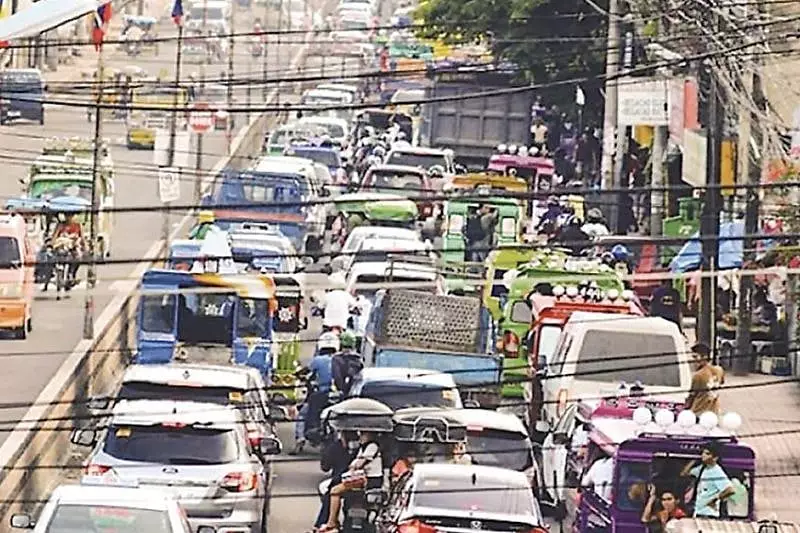
Governor Pamela Baricuatro confirmed the suspension on Friday, December 19, 2025, after a meeting with the Land Transportation Franchising and Regulatory Board (LTFRB). The halt allows the LTFRB to conduct public consultations, addressing worries about worsening traffic congestion and the potential loss of livelihood for Metro Cebu's traditional taxi operators.
Prior to this, Cabucos revealed that UCTOA had formally submitted an opposition appeal to the LTFRB on December 23, 2025. The appeal was against GSM's application for a Certificate of Public Convenience (CPC).
Local Group Explores Independent EV Platform
Cabucos explained that GSM's entry poses a significant threat due to its advantages in technology, capital, vehicle availability, and operational systems. He disclosed that his association had previously engaged with GSM's Vietnamese supplier, which provides both the EV units and the ride-hailing app.
Under the discussed arrangement, the supplier would manage the vehicles and the application—a setup Cabucos said would directly compete with traditional taxis since the EVs would be equipped with taxi meters. However, when Cebu operators asked to manage the EV units themselves, the supplier refused.
Consequently, the association has taken steps to find an alternative app developer. The goal is to create an independent platform that would allow local taxi operators to run EV taxis on their own terms. This plan is feasible, Cabucos stressed, if regulators grant them sufficient transition time to modernize their fleets.