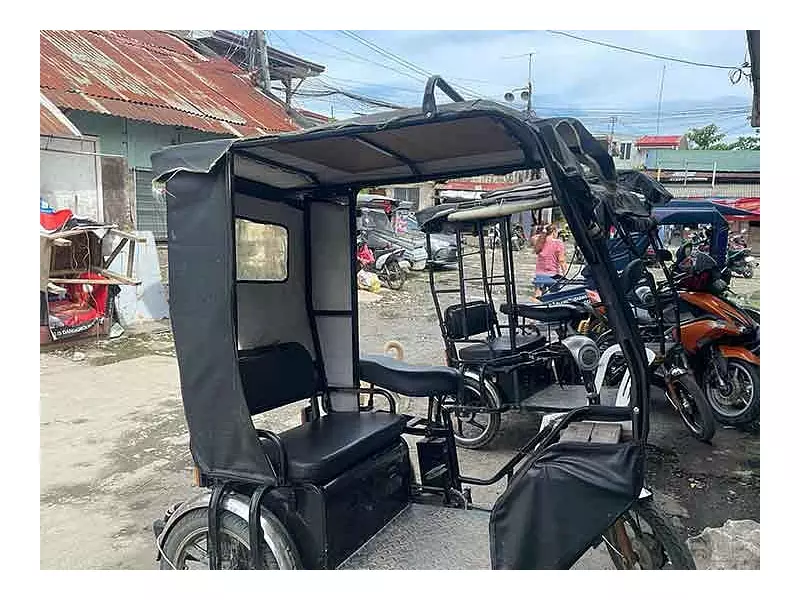
The Land Transportation Office (LTO) has officially suspended the implementation of a ban that would have prohibited electric vehicles, particularly e-bikes and e-trikes, from traversing major national roads. The prohibition, which was originally scheduled to take effect on December 1, 2025, has now been postponed to January 2, 2026.
Reason for the Suspension and Presidential Directive
The agency cited the need for a comprehensive public information campaign as the primary reason for the delay. Officials stated they must first ensure the public, including drivers of these vehicles, are fully aware that they will be barred from national highways. This directive originates from the office of President Ferdinand Marcos Jr., following complaints received from the public regarding the safety issues posed by these unregulated vehicles.
Enforcement Uncertainties and Local Government Role
During the Openline Forum at the Waterfront Cebu Hotel and Casino, Police Lieutenant Colonel Wildemar Tiu, the Regional Chief of the Highway Patrol Group 7, revealed that his unit's specific role in impounding offending e-bikes and e-trikes remains unclear. He emphasized that local government units (LGUs) should be the ones to regulate these vehicles since they are not registered with the LTO.

"They can be the ones to apprehend if there is an existing ordinance in the city or municipality, especially if they are caught on national roads," Tiu explained. He pointed out that most e-bike drivers operate without licenses, and some are underage.
Safety Concerns and Fatal Accidents Highlighted
The police official acknowledged the growing number of accidents involving e-bikes in the Philippines, some of which have been fatal. He referenced a recent tragic incident in Antipolo where three lives were lost after an e-bike made a sudden U-turn.
"That's what we are appealing for, I would like to appeal that this must be regulated especially in municipalities going to the provinces from north to south because there are really many of them," Tiu stated. A significant problem with these vehicles is their lack of registration and insurance, leaving victims or passengers with no financial recourse in the event of an accident.
The suspension period until January 2026 is now a critical window for the LTO and LGUs to coordinate on public awareness and establish clear enforcement protocols to address this pressing road safety issue.