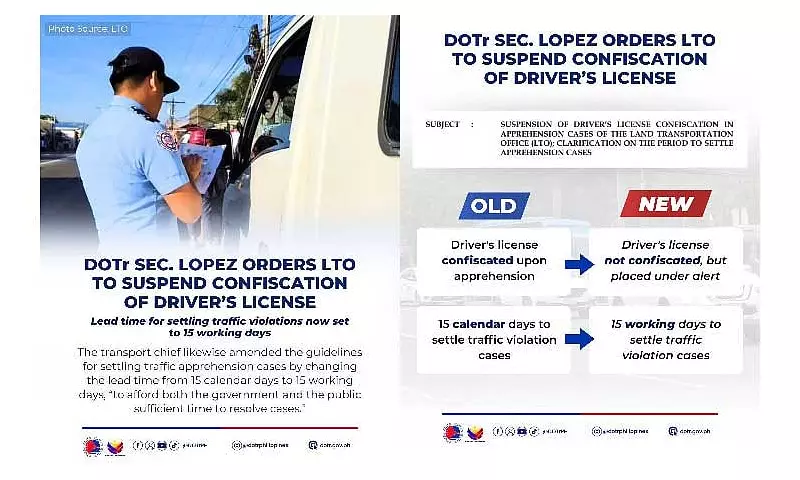
In a significant shift for motorists across the Philippines, the Land Transportation Office (LTO) has been ordered to immediately stop confiscating driver's licenses during traffic apprehensions. This major policy change comes directly from the Department of Transportation (DOTr) and aligns with President Ferdinand Marcos Jr.'s directive to streamline procedures for dealing with traffic violations.
Directive from the Top: A Policy Reversal
Transportation Secretary Giovanni Lopez issued a formal memorandum on January 9, 2026, instructing the LTO to suspend the long-standing practice of taking a driver's physical license card upon apprehension. The order mandates a review of all related policies to ensure nationwide consistency. This move aims to clarify and simplify the process for millions of drivers, reducing immediate inconvenience during traffic stops.
Extended Settlement Period: Working Days vs. Calendar Days
A key part of the new guidelines is the change in the timeframe drivers have to settle their violations. Secretary Lopez amended the lead time from 15 calendar days to 15 working days. This adjustment excludes holidays and long weekends from the count, giving both the public and the government more practical time to resolve cases.

"Ibig sabihin po nito, hindi kasama 'yung mga holiday at long weekend sa bilang ng araw kapag magse-settle ng violation 'yung driver," Lopez explained. The change is designed to afford sufficient time for all parties involved.
Strict Enforcement Through Digital Alert System
While physical confiscation is suspended, enforcement remains strict. The LTO is directed to place the violator's driver's license under a digital alert status in its system. Should the driver fail to settle the case within the new 15-working-day period, the LTO will automatically suspend or revoke the license as per existing laws. This system ensures accountability while removing the physical hassle for compliant drivers.
The Department of Transportation confirmed that this new memorandum circular takes effect immediately. This policy shift marks a notable step towards a more digitized and user-friendly traffic management system in the country, balancing enforcement with public convenience.