Nine Cebu Drivers Fail Surprise Drug Tests Ahead of Holy Week Travel Rush
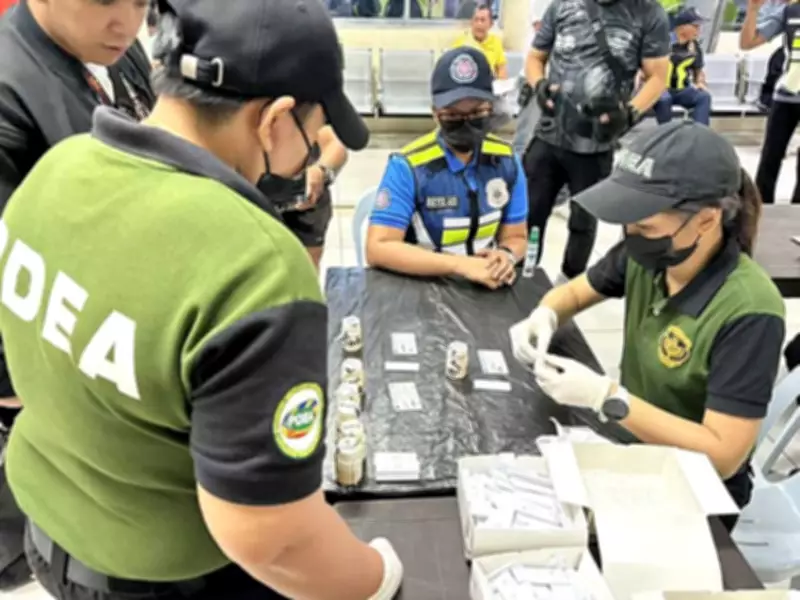
In a coordinated effort to ensure passenger safety during the upcoming Semana Santa period, Philippine authorities conducted surprise drug tests on public transport drivers in Cebu, with nine individuals testing positive for methamphetamine hydrochloride, commonly known as shabu. The operation, dubbed Oplan Harabas, involved multiple agencies working together to screen drivers at key transportation hubs.
Extensive Testing Reveals Positive Cases
A total of 409 drivers and conductors underwent mandatory drug testing as part of this initiative. The testing was carried out at both the South Bus Terminal and the North Bus Terminal in Cebu. According to data released by the Philippine Drug Enforcement Agency Central Visayas (PDEA 7), 204 individuals were screened at the South Bus Terminal, while 205 were tested at the North Bus Terminal.
Of these, nine drivers returned positive results for shabu. Specifically, at the South Bus Terminal, three taxi drivers and five bus drivers tested positive. At the North Bus Terminal, one taxi driver was found to have used the illegal substance. These findings have raised significant concerns about road safety, especially with the anticipated increase in travel during the Holy Week.

Official Responses and Legal Consequences
PDEA 7 Director Joel Plaza emphasized that those who tested positive will undergo confirmatory testing. If the results are consistent, they will be referred to local government units, such as the Cebu City Government, for assessment and intervention programs. Plaza stated, "What we want to emphasize is that drugs are harmful and should stop, especially since these drivers provide services to the public that involve safety." He also dismissed claims that some drivers use shabu to stay awake, highlighting the dangers of drug use in professions where passenger lives are at stake.
Land Transportation Office (LTO) 7 Director Wendel Dinglasan issued a stern warning, indicating that drivers who test positive for illegal drugs may face automatic license revocation. "This is serious because testing positive directly affects public safety, and there is no second chance," Dinglasan asserted. He clarified that this action would be without prejudice to other penalties from the Philippine National Police or court proceedings under the law.
Additionally, Land Transportation Franchising and Regulatory Board (LTFRB) 7 Director Abosamen Matuan noted that operators of vehicles with drivers who test positive could also face sanctions, underscoring the broader accountability within the transportation sector.
Enhanced Security Measures for Semana Santa
With the influx of passengers returning to their home provinces for Semana Santa expected to begin soon, authorities have implemented tight security measures at Cebu bus terminals. These include checkpoints on roads and the deployment of sniffing dogs to inspect luggage, ensuring that vehicles carrying passengers are safe. Police have stated that no threats will be tolerated during this period, reflecting a zero-tolerance approach to security breaches.
Director Plaza revealed that the goal of Oplan Harabas is to prevent drivers from using shabu, as passengers' lives depend on their hands. He added that surprise drug testing aims to become a regular practice, conducted quarterly to maintain ongoing vigilance. This proactive stance is part of a larger effort to promote public safety and deter drug use among those responsible for transporting the public.
The collaboration between PDEA 7, LTO 7, LTFRB 7, and local government units in Cebu City and the province demonstrates a unified front against drug-related risks in transportation. As Semana Santa approaches, these measures are crucial to safeguarding travelers and ensuring a secure journey for all.