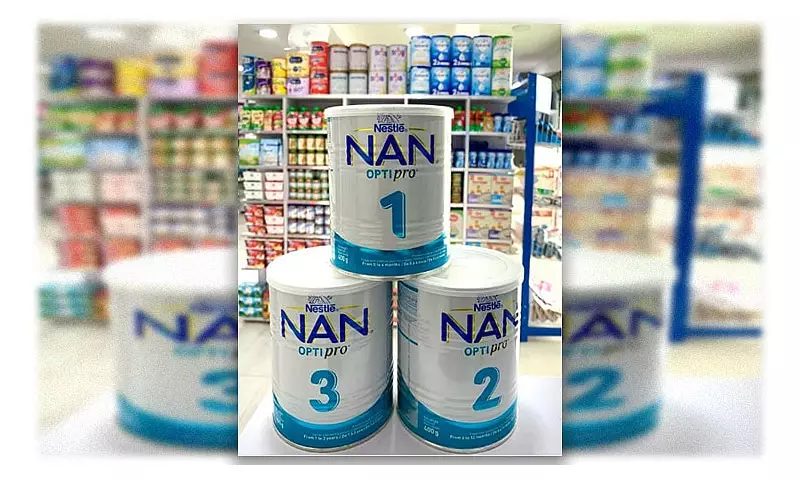
FDA Discovers Recalled Nan Optipro Batches Still Circulating in Philippine Markets
In a concerning development for consumer safety, the Food and Drug Administration (FDA) of the Philippines has reported that affected batches of Nan Optipro and Nankid Optipro infant formula products continue to be available in the market, despite a voluntary recall order issued by Nestlé Philippines. This revelation comes as part of the agency's intensified post-market surveillance efforts aimed at ensuring that recalled items are promptly removed from store shelves nationwide.
Nationwide Surveillance Uncovers Non-Compliance
The FDA stated that it is closely monitoring the ongoing recall process and has identified several establishments that still carry the affected products. "These activities are part of the FDA's intensified post-market surveillance to ensure recalled products are promptly removed from the market and that recall procedures are properly implemented nationwide," the agency emphasized in an official statement.
Detailed inspections across the country revealed varying levels of compliance:

- In Luzon: FDA enforcement teams flagged 65 Nestlé products across multiple establishments. These items were already pulled out, returned to suppliers, or properly segregated and documented for retrieval.
- In the Visayas: Despite checking several sites, affected products were found in only one location, indicating better compliance in this region.
- In Mindanao: FDA teams verified 206 Nestlé products across numerous establishments. These were promptly removed from selling areas, inventoried, sealed, and secured for return to suppliers or distributors.
Background of the Recall and Safety Concerns
The recall was initiated earlier when Nestlé Philippines voluntarily recalled 14 variants of Nan Optipro and Nankid Optipro, involving 38 batches. This action followed the detection of very low levels of cereulide in the arachidonic acid-rich (ARA) oil supplied to the company. Cereulide is a toxin that can pose health risks, particularly to infants and young children, making this a critical public health issue.
In a separate statement, the FDA highlighted its ongoing efforts to fully address the safety and health concerns related to these infant formula batches. "While voluntary recalls are an appropriate and necessary step, they do not end regulatory scrutiny. The FDA continues ongoing assessments, coordinates closely with health authorities, and reviews supplier chains as part of its continuing oversight," the agency added.
FDA's Commitment to Public Health and Accountability
The FDA reiterated its unwavering commitment to protecting public health, with a special focus on the safety of infants and young children. "The FDA remains committed to protecting public health, particularly the safety of infants and young children, and will continue active field verification and regulatory oversight as the recall progresses," it affirmed.
Furthermore, the agency is not ruling out the possibility of holding those responsible accountable for any lapses. "It must be emphasized that should any similar incident recur, or should ongoing investigations establish negligence or culpability, the FDA will take the full range of regulatory and legal actions necessary to safeguard public health," it warned. This stance underscores the FDA's proactive approach in enforcing food safety standards and ensuring that manufacturers adhere to strict regulatory requirements.
As the recall continues, consumers are advised to check product batches and avoid purchasing any affected Nan Optipro or Nankid Optipro items. The FDA's vigilant monitoring serves as a reminder of the importance of robust post-market surveillance in maintaining food safety across the Philippines.