Iloilo Scombroid Fish Poisoning Outbreak Surges to 66 Confirmed Cases
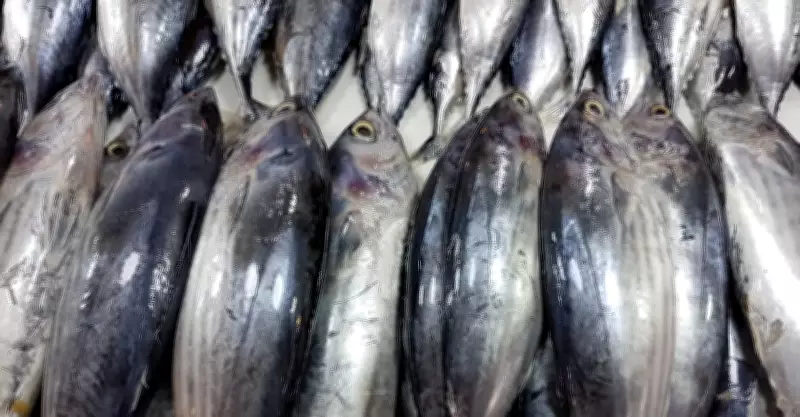
The Iloilo Provincial Health Office has documented a significant increase in scombroid fish poisoning cases, with the total now reaching 66 individuals affected between April 6 and April 10, 2026. This alarming outbreak is directly linked to the consumption of contaminated tulingan fish, a popular local seafood choice.
Understanding Scombroid Fish Poisoning and Its Causes
Scombroid fish poisoning is a serious foodborne illness caused by eating fish that has high levels of histamine, typically resulting from improper refrigeration or storage practices. When fish like tulingan are not kept at safe temperatures, bacteria can multiply and produce histamine, leading to severe allergic-like reactions in consumers.
In an exclusive interview with Bombo Radyo, Dr. Maria Socorro Quiñon, head of the Iloilo Provincial Health Office, provided crucial updates on the situation. She confirmed that out of the 66 reported cases, only three patients remain hospitalized, indicating that most individuals have recovered or are receiving outpatient care.

Recognizing the Symptoms and Health Impacts
Victims of this poisoning outbreak have exhibited a wide range of distressing symptoms, including:
- Skin rashes and facial redness
- Chest tightness and breathing difficulties
- Dizziness and severe headaches
- Abdominal pain, vomiting, and diarrhea
- Eye redness and fever
These symptoms can appear within minutes to hours after consuming contaminated fish and vary in severity from mild discomfort to life-threatening reactions requiring immediate medical attention.
Official Warnings and Preventive Measures
The Provincial Health Office has issued strong warnings to both the public and fish vendors. Consumers are advised to exercise extreme caution when purchasing fish, particularly looking for signs of freshness such as clear eyes, firm flesh, and a mild ocean scent. Vendors have been instructed to immediately remove any fish from sale that shows signs of spoilage or questionable freshness.
Proper handling and refrigeration of seafood products is absolutely essential to prevent similar outbreaks in the future. The health office emphasizes that maintaining cold chain integrity from catch to market is crucial for food safety.
This incident serves as a critical reminder of the importance of food safety protocols in the seafood industry and the need for increased public awareness about identifying and avoiding potentially contaminated food products.