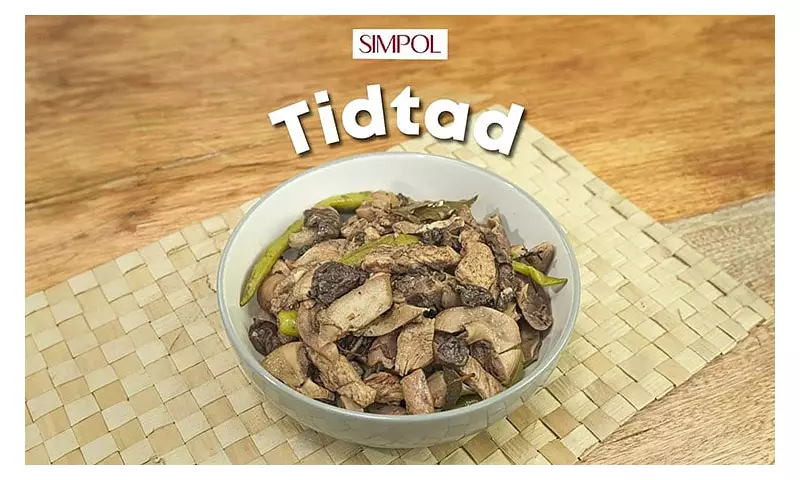
In the rich tapestry of Filipino cuisine, a unique Kapampangan dish is capturing the attention of food enthusiasts. Known as Tidtad, this recipe shares a familiar base with the famous Dinuguan but distinguishes itself through its specific blend of ingredients and preparation method. Published on December 19, 2025, this culinary revelation offers a delicious surprise for those looking to explore regional specialties.
What is Tidtad? A Distinct Culinary Cousin
Tidtad stands out as a rare Kapampangan recipe that, while reminiscent of the well-loved pork blood stew Dinuguan, carves its own identity. The key difference lies in its unique combination of ingredients and the specific cooking process. It utilizes components that might be considered unconventional compared to its mainstream relative, promising a complex and savory flavor profile that is both traditional and intriguing.
The Essential Ingredients for Authentic Tidtad
The recipe calls for a precise list of components, divided into those for boiling and for sautéing. For the initial boil, you will need water, 500 grams of pork intestines, 250 grams of pork belly, and 250 grams of pork mask (face), seasoned with salt and aromatics.

The main sauté and stew require a robust set of flavors:
- Cooking oil for sautéing
- 6 cloves of garlic, minced
- 1/2 cup of onion, chopped
- 1/2 kg of kasim or pigue (pork shoulder/butt), sliced
- Salt
- 10 pieces of laurel leaves (bay leaves)
- 1/2 cup of vinegar
- 1/4 cup of fish sauce (patis)
- 2 cups of water
- 3-4 stems of dried oregano
- 6-8 pieces of green chili
- 3 cups of pork blood, pre-boiled to coagulate
- Black pepper
Step-by-Step Cooking Instructions
The process begins by boiling the offal. In a separate pot, boil the pork belly, intestines, and mask with vinegar, salt, and aromatics until tender. This step is crucial for achieving the right texture and removing any strong odors.
Next, heat oil in a large pan or wok (kaha). Sauté the garlic, onion, and sliced kasim pork. Season this base with salt and stir well.
Add the pre-boiled pork parts (belly, intestines, mask) to the sautéed mixture. Incorporate the bay leaves, fish sauce, and vinegar. Cover the pot and let it simmer until the pork becomes tender.
Once the meat is soft, check its tenderness and add the 2 cups of water. Cover again and let it boil for a few more minutes. When all the pork is sufficiently tender, add the dried oregano and stir.
Prepare the green chilies by removing all the stalks and adding them whole to the pot. This infuses a gentle heat without making the stew overly spicy.
The defining ingredient, pork blood, is added last. Wash the pre-boiled and coagulated blood several times to remove excess water. Carefully place the whole blocks of blood into the simmering stew. Season with black pepper. A critical tip here is to avoid stirring at this stage to prevent the blood from crumbling. Cover the pot and wait for the blood to cook through.
Finally, when the blood is fully cooked, remove the lid and gently stir everything together to combine. The result should be a rich, dark, and flavorful stew with distinct pieces of tender pork and offal.
Why Tidtad Deserves a Spot on Your Table
This Kapampangan specialty is more than just a variation of Dinuguan. The use of specific pork cuts like the mask, the whole blocks of blood, and the addition of dried oregano and green chilies create a unique taste and texture experience. It represents the ingenuity of Kapampangan cooking, known for its bold flavors and mastery of pork dishes. For adventurous home cooks and lovers of Filipino food, mastering Tidtad offers a deeper connection to the country's diverse culinary heritage. It's a delicious challenge that rewards with a truly authentic and satisfying meal.