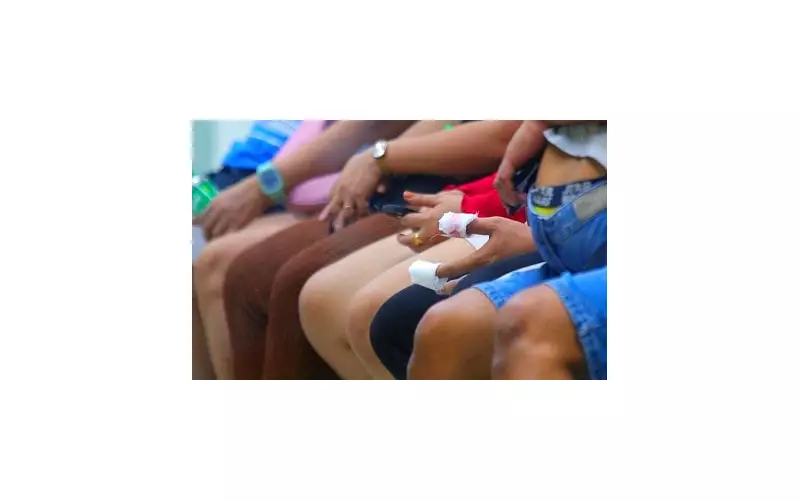
The Department of Health in the Negros Island Region (DOH-NIR) has reported a significant number of injuries related to fireworks as the New Year celebrations concluded. As of January 3, 2026, the region has recorded a total of 138 cases of fireworks-related injuries across Negros Island.
Provincial Breakdown of Injuries
Data from the DOH-NIR reveals a concerning distribution of cases. Negros Occidental leads the region with the highest number of incidents at 103 cases. Following behind is Negros Oriental with 28 recorded cases. The highly urbanized city of Bacolod documented 6 injuries, while the province of Siquijor reported 1 case.
Severity and Nature of Injuries
The health department provided a detailed breakdown of the types of injuries sustained. The majority of victims, 72 individuals, suffered from burns or blast injuries that did not require the surgical removal of a body part, known as amputation. However, a more severe subset of cases involved significant trauma.

11 cases involved serious eye injuries, posing risks to long-term vision. Most alarmingly, the DOH recorded three victims who sustained such severe burns or trauma that it resulted in the amputation of a body part.
A Case in Himamaylan City
Separate police records highlight a specific incident that underscores the dangers. The Negros Occidental Police Provincial Office (Nocppo) reported that a 14-year-old boy was injured in Himamaylan City, Negros Occidental, on January 2, 2026.
The incident occurred in Purok 4, Barangay Sara-et. According to the investigation, the young resident was lighting a firecracker when he failed to notice that explosive powder had spilled onto his hand. The powder ignited, causing burns to his right hand. The victim was promptly taken to the Binalbagan Infirmary for medical treatment.
This latest data from health and police authorities serves as a stark annual reminder of the physical dangers associated with fireworks, especially when handled without proper caution and safety measures. The reports consistently show that children and adolescents are particularly vulnerable to these preventable accidents.