Cebu City Councilor Advocates for Wolbachia Method to Combat Dengue Outbreak
In a privilege speech delivered on Tuesday, January 20, 2026, Cebu City Councilor Michelle Abella-Cellona renewed her urgent call for the entire city to adopt the Wolbachia method as an additional tool in the fight against dengue. This appeal comes amid persistently high case numbers, based on the latest data, despite ongoing prevention efforts by local health authorities.
Alarming Dengue Statistics Highlight Need for Action
Citing data from the Department of Health (DOH), Councilor Cellona revealed that 62,313 dengue cases were recorded nationwide from January 1 to March 1, 2025. This figure represents a significant increase compared to the same period in the previous year. She further presented early DOH numbers showing 28,234 cases as of February 1, 2025, marking a sharp 40 percent rise year-on-year.
Local Impact in Cebu City
For Cebu City specifically, the situation appears even more critical. Councilor Cellona disclosed that the City Health Department (CHD) documented 701 dengue infections from January to April 2, 2025. This number is more than double the cases reported during the same timeframe in 2024. Extending the period to September 6, 2025, the city's dengue cases climbed to 1,516, including seven fatalities.

"Dengue continues to affect families and places a heavy burden on our healthcare system, especially during the rainy season," stated Cellona during her speech. She emphasized the need for a science-based and preventive approach to complement current control measures.
The Wolbachia Method: A Complementary Solution
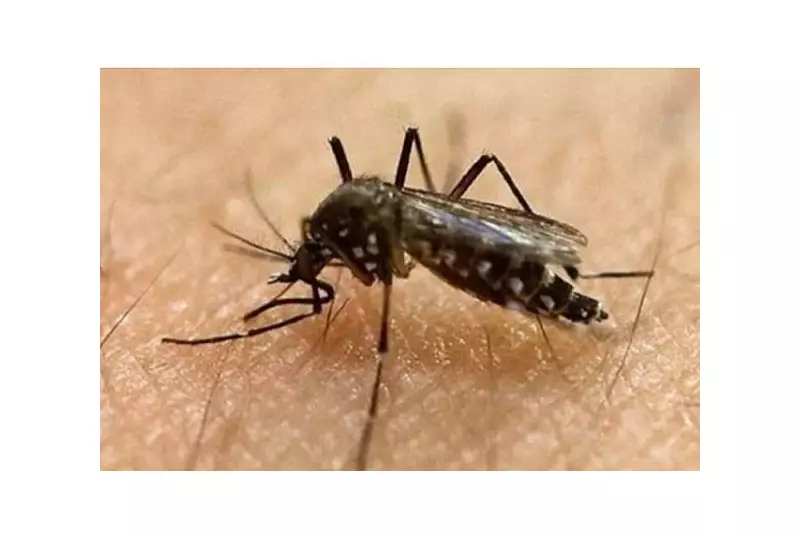
Councilor Cellona proposed the Wolbachia method as a viable long-term strategy. This technique involves introducing Wolbachia bacteria into Aedes aegypti mosquitoes, the primary vectors of dengue. The bacteria reduces the mosquitoes' ability to transmit the dengue virus to humans.
According to the World Mosquito Program, this method is not a form of genetic modification. Once established in a community, the Wolbachia-carrying mosquitoes can sustain themselves. Research published in the New England Journal of Medicine supports its efficacy, showing the method led to a 77 percent reduction in dengue cases and an 86 percent decrease in dengue-related hospitalizations in areas where it was implemented.
Call for a Structured Implementation Plan
While acknowledging that the city government continues to support the DOH's 4S strategy, Councilor Cellona stressed that dengue transmission remains a persistent challenge. She urged local officials to develop a comprehensive implementation plan, which should include:
- A detailed local implementation roadmap
- Identification of pilot barangays for initial deployment
- Community briefings and awareness campaigns
- Robust monitoring and evaluation mechanisms
- Adequate budget allocation and support
"I respectfully urge that we treat the Wolbachia method not as a replacement for current dengue control but as a complementary long-term layer of protection, particularly in high-risk urban barangays where outbreaks recur," Cellona concluded. Her advocacy highlights a proactive shift towards integrating innovative, evidence-based solutions into Cebu City's public health framework to safeguard residents from this recurring threat.