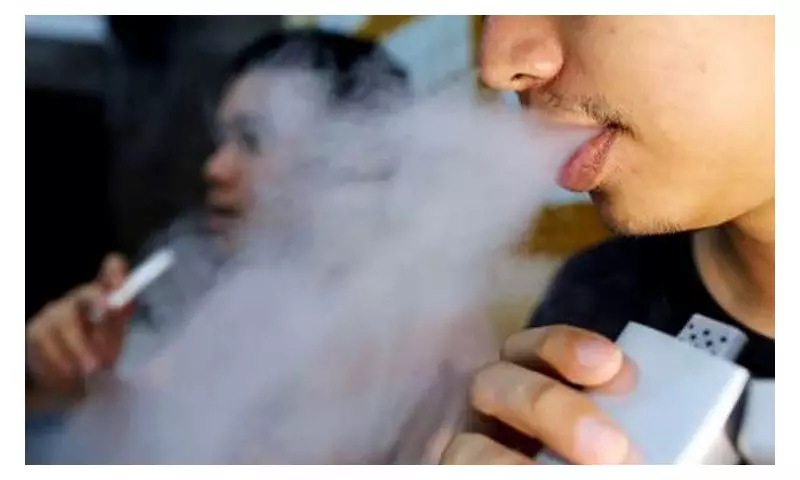
Medical experts in Cebu have issued a strong public health warning, highlighting the escalating dangers associated with vaping and traditional smoking. The urgent call was made during a lung health forum held at the Perpetual Succour Hospital Cancer Institute in Cebu City on Thursday, November 21, 2025.
Emerging Evidence of Vaping Dangers
Pulmonologist Dr. Merci Angelie Uy presented concerning new data, pointing to a rise in electronic cigarette–associated lung injuries (EVALI). She explained that while vaping was initially marketed as a safer alternative, emerging hospital cases tell a different story.
"Vaping is relatively new compared to smoking, so data is still limited," Dr. Uy stated. However, she revealed that doctors are now documenting patients who vape and develop tuberculosis, experience lung effusion (fluid buildup), or suffer from severe, unexplained lung inflammation.

Alarmingly, some young and previously healthy individuals have experienced sudden respiratory failure after heavy vaping. Dr. Uy also shared that they are seeing non-tobacco smokers with a history of vaping being diagnosed with cancers in the sinuses and lungs.
"Smoking was once marketed like medicine and was even sold in hospitals decades ago. Years later, it turned out to cause cancer," she cautioned. "We don’t know yet if vaping will follow the same path, but the signs are becoming clearer."
The Critical Need for Smoking Cessation
Oncologists at the forum, including Dr. Ellie May Belarmino Villegas, emphasized that quitting smoking remains the single best defense against cancer. She made a direct appeal to the public, urging non-smokers never to start and encouraging current smokers to quit immediately.
"Every second and every minute they spend not smoking gives them huge benefits not only for their own safety but also for the community," Dr. Villegas said. She highlighted the dangers of passive smoking, noting that many people develop cancer despite never smoking themselves.
To support quitting efforts, Dr. Junjie Zuasula stressed that willpower alone is often insufficient. He recommended enrolling in a proven Tobacco Cessation Program, but noted a significant challenge in the Philippines: a lack of full government support.
"For example, the tobacco patch is no longer subsidized, so many smokers fall back into addiction. Specialists also lack proper support," Dr. Zuasula explained, underscoring how these hurdles affect the program's success.
Proactive Health Measures and Free Screening
The forum, titled “Breathe Right, Live Bright: A Lung Health Awareness Lay Forum,” was part of the hospital's Lung Cancer Awareness Month observance. It tackled three key topics: the hazards of smoking and vaping, strategies to stop smoking, and lung cancer risk factors.
As part of the awareness drive, the hospital offered a free pulmonary function test (spirometry) for the first 50 participants who met specific criteria, including individuals with a chronic cough, former or current smokers with at least 10 pack years, and adults aged 40 and above.
Dr. Villegas also outlined essential lifestyle habits for disease prevention, recommending 30 minutes of daily exercise five to seven days a week, including resistance training. For diet, she advised at least five servings of vegetables and fruits, fewer preservatives, and a preference for white meat over red meat.
Collectively, the medical specialists urged the public to prioritize lung health, stay informed about the risks of both smoking and vaping, and seek professional help when attempting to quit.