Davao City Health Office Reaffirms Commitment to Free Leprosy Care
In a significant move to promote public health, the Davao City Health Office (CHO) has reaffirmed its commitment to providing free medical services for leprosy patients across the city. This initiative, highlighted during the observance of World Leprosy Day, ensures that accessible health care remains available at local health centers, aiming for early detection and comprehensive treatment for all Dabawenyos.
Understanding Leprosy and Its Impact
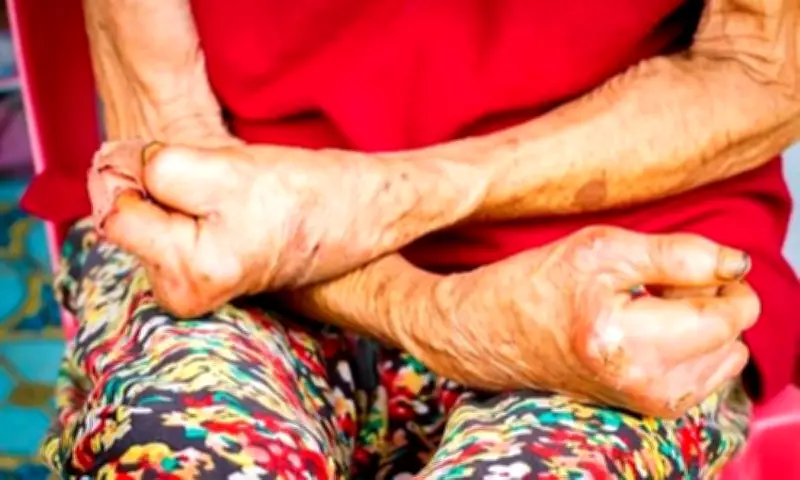
Leprosy, a chronic infectious disease caused by Mycobacterium leprae, primarily affects the skin and peripheral nerves. Symptoms often include pale or reddish, numb skin patches, thickened nerves, or muscle weakness. If left untreated, it can lead to progressive and permanent disabilities, underscoring the critical need for timely intervention.
Expert Insights on Early Detection and Treatment
Jeannie Marie D. Salmasan, District Health Physician and Leprosy Coordinator at CHO, emphasized the importance of early check-ups. In a recent interview on Davao City Disaster Radio, she urged residents to utilize free services to prevent health complications. "I hope people realize that it’s important to get checked early if they have these kinds of symptoms, because with leprosy, life expectancy is still normal. So, you can still live even if you have leprosy, it’s just that the effects on your body is something you’ll carry with you forever. That is why we encourage people to get checked early if possible," Salmasan stated.

She highlighted that leprosy is curable through multi-drug therapy, which is provided free of charge to ensure accessibility. Additionally, barangay health centers offer programs like the Kilatis Kutis campaign, a skin screening service designed to detect early signs of leprosy and other skin conditions.
Case Statistics and Transmission Facts
In 2025, Davao City recorded five confirmed leprosy cases, with two patients already cured and three continuing medication. Dr. Joanah Ela C. Lee, Resident Dermatologist at Southern Philippines Medical Center, clarified misconceptions about transmission. "Leprosy is not readily contagious. Prolonged close contact is needed with an untreated person. It cannot be spread by casual touching, hugging, or sharing utensils," she explained, aiming to reduce stigma and encourage compassionate support for patients.
Call for Vigilance and Compassion
The CHO reiterated its call for community vigilance while advocating for compassion over discrimination. By promoting awareness and accessible services, the office strives to ensure that leprosy patients receive the care they need without fear of social exclusion.