The City Government of Davao is amplifying its efforts to educate the public on the life-saving importance of organ and tissue donation. Officials are calling on Dabawenyos to view this act not only as a profound gesture of compassion but also as a vital civic duty.
Understanding the Law and the Process
This initiative operates under the legal framework of Republic Act 7170, the Organ Donation Act, which permits the posthumous donation of the human body or its parts for medical purposes. During a recent ISpeak Media forum held on November 27, 2025, Dr. Dennis Benjamin Geli of the Southern Philippines Medical Center (SPMC) outlined the critical criteria for deceased organ donation.
He clarified that a transplant from a deceased donor is only possible after a neurologist, neurosurgeon, or attending physician declares the person brain dead. Furthermore, the procedure requires that the deceased had previously signed an organ donor card or that their next of kin provides consent.

Why Deceased Donation is Prioritized
Dr. Geli strongly advocated for deceased donation over living donation. "We oppose living donation since there are numerous black markets for it. So, it would be better to eradicate the black market and strengthen the deceased organ donation," he stated in a mix of English and Cebuano. This stance aims to protect vulnerable individuals from exploitation.
Highlighting the medical benefits, Dr. Geli shared compelling statistics: kidney transplant survival rates are significantly higher at 80 to 90 percent, compared to a mere 50 percent survival chance with long-term dialysis.
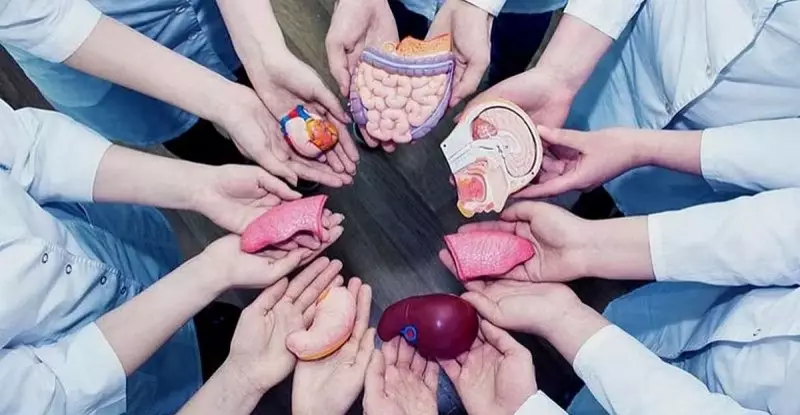
Interested citizens are encouraged to formally register by accomplishing an organ donor card at the SPMC Human Advocate Retrieval Effort. It is equally important to inform one's spouse or immediate family of this decision, as their consent remains crucial. Donor intent can also be indicated on driver's licenses. Beyond kidneys, individuals can donate their heart, lungs, cornea, skin, tissues, and bones.
The Unique Case of Corneal Donation
Dr. Billie Jean Cordero, also from SPMC, explained a key distinction in donation types. While organ transplants require brain death, corneal transplants can proceed after cardiac death.
"In corneal donation, anyone can donate and it doesn't need a matching. That's the best thing about cornea donation because anyone can donate and anyone can receive," she said. This type of donation boasts a high success rate, with about 90 percent of recipients experiencing improved vision.
Dr. Cordero emphasized the profound nature of this gift and the continued importance of family discussion. "It's a rare gift that we can give to others. Still, you have to talk to your family. Family counselling is very important," she added.
This renewed campaign builds upon the city's earlier legislative action. Back in 2020, the Davao City Council passed an ordinance to institutionalize organ donation, promote public awareness, and correct misconceptions surrounding the practice. The ultimate goal is to foster a enduring culture of donation that saves lives within the community.