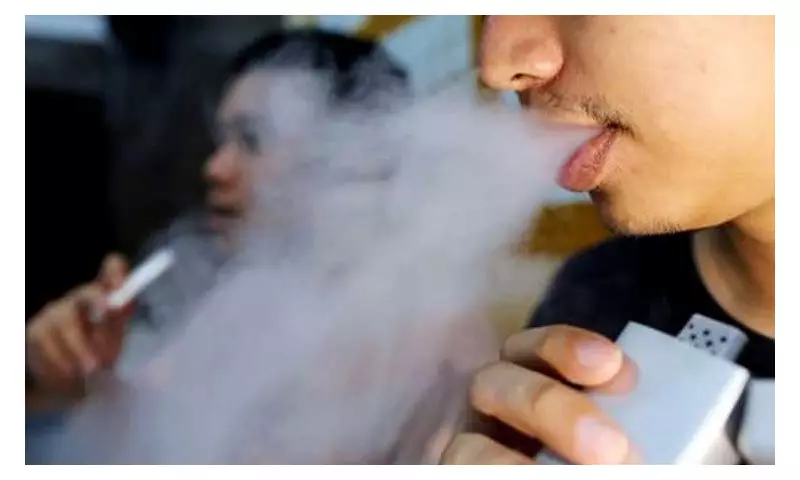
The Department of Health (DOH) has launched a fresh critique against the tobacco and vaping industry, firmly rejecting claims that vapes serve as a better alternative to traditional cigarette smoking.
DOH Takes a Firm Stand Against Deceptive Marketing
In a recent social media statement, the DOH labeled such advertisements as false and unacceptable. The department revealed that Health Secretary Teodoro Herbosa believes it would be better for the country to implement an outright ban on vaping in the Philippines. "The Department of Health strongly condemns the continuation of the deceptive marketing strategy of vape products," the agency stated, echoing the Secretary's position.
The DOH was unequivocal in its warning to the public, stressing that assertions of vaping being nicotine-free or a healthier option are completely untrue. "The smoke and the vape device itself are full of chemicals and are dangerous," the department emphasized, highlighting the inherent risks of the products.

Regulatory Landscape and International Commitments
Currently, vaping is regulated but not banned in the Philippines, with the Department of Trade and Industry holding exclusive jurisdiction over vape-related issues. However, the DOH has vowed to prioritize the health of Filipinos over commercial interests.
This commitment was a key point for the Philippine delegation at the recently concluded 11th Conference of the Parties (COP11) to the World Health Organization Framework Convention on Tobacco Control (WHO-FCTC) in Geneva, Switzerland, which ran from November 17 to 22. "The Philippines will actively promote stricter policies and laws to protect Filipinos from the dangers of tobacco and vape," the DOH affirmed.
Health Advocates Join the Call for Accountability
Beyond the government's stance, a coalition of health advocates is pressuring the Philippine delegation to COP11 to ensure international commitments are strictly followed at home. In an open letter, groups including ASH Philippines, ImagineLaw, Youth Against Vape, Health Justice Philippines, and the Philippine Smoke-Free Movement called for firm action.
They urged the delegation, headed by Ambassador Carlos Sorreta, the Philippine Permanent Representative to the UN, to ensure the tobacco industry is held accountable. "Our leadership must show that public health is non-negotiable," the advocates stated.
They pointed to the staggering statistic of more than 100,000 Filipino deaths each year due to tobacco- and nicotine-related diseases as a compelling reason for immediate and decisive action. "The tobacco industry continues to endanger Filipino lives with impunity, and the Philippines can no longer afford to look away," the groups concluded, demanding real corporate accountability.