FDA Issues Warning on Fake News Regarding Nestlé Infant Formula Recall
The Food and Drug Administration (FDA) issued a public warning on Tuesday, January 27, 2026, urging caution against the spread of fake news related to the recall order for selected infant formula products manufactured by Nestlé Philippines. In an official statement, the agency emphasized the importance of verifying information from reliable sources to avoid misinformation.
Rely on Official Sources for Accurate Information
The FDA strongly advised the public to be wary of unverified articles and social media posts that originate from unofficial channels. "Information that does not come from official sources may be incomplete or misleading," the agency stated. It clarified that reports suggesting the voluntary recall has not been lifted are false, as regulatory procedures and verification processes are still actively ongoing.
To ensure accurate updates, the FDA recommended that consumers depend solely on official announcements released through the agency itself or by the Market Authorization Holder. "We will release verified information in due course, consistent with established regulatory processes, to safeguard public health, particularly the safety of infants and young children," the FDA added.

Background on the Voluntary Recall
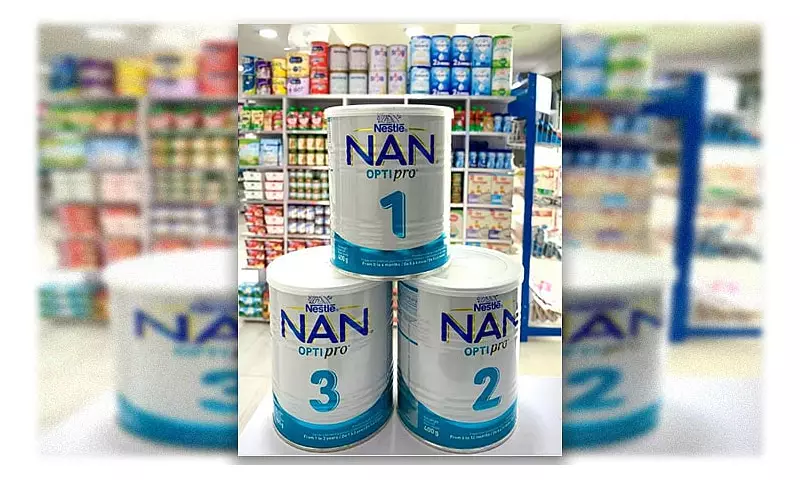
This warning follows a recent voluntary recall initiated by Nestlé Philippines, which involved 14 variants of Nan Optipro and Nankid Optipro infant formulas across 38 batches. The recall was prompted by the detection of very low levels of cereulide in the arachidonic acid-rich (ARA) oil supplied to the company.
The FDA explained that cereulide is a toxin produced by the microorganism bacillus cereus, which can lead to gastrointestinal illnesses such as vomiting and abdominal pain. This highlights the critical need for accurate information dissemination to protect vulnerable populations, especially infants and young children.
By addressing fake news proactively, the FDA aims to prevent panic and ensure that the public remains informed through trustworthy channels during this ongoing regulatory review.