When people hear the word “Pilates,” they often picture sleek reformer machines, pastel activewear, influencer mirror photos and matcha in hand. It can feel aesthetic, exclusive, and at times intimidating — something reserved for a certain type of body, lifestyle or social media feed.
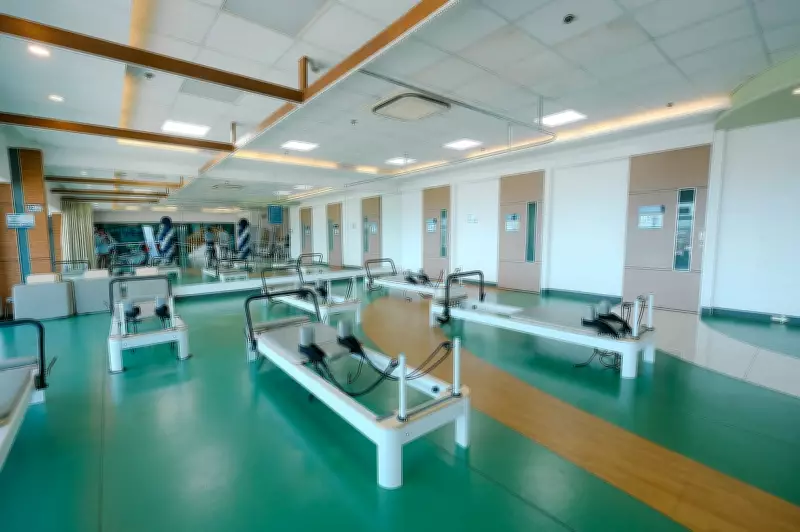
But inside a hospital setting in Cebu, that image is quietly being dismantled. Through a recent collaboration between a local movement studio Evolve Movement Studio and The Hospital at Maayo, Pilates is now being integrated into wellness and rehabilitation services, reframing it from a lifestyle trend into something more grounded: movement as access, recovery and care.
The initiative, officially launched on May 9, 2026, reflects a growing effort to make wellness practices more approachable and medically relevant.

Bridging Healthcare and Movement
“This collaboration is very meaningful to us because it brings together two things we deeply believe in — healthcare and movement,” said studio founder Auvrey Valmeo. To her, Pilates is not just a trend, but something that extends beyond the studio.
“Our vision has always been to create Pilates not just as a workout, but as a form of active therapy — something people can continue even after rehabilitation to help them move better, feel stronger and live healthier lives.”
Expert Perspectives on Rehabilitation
Physiotherapy expert Dr. Renald Ramiro explained how the collaboration expands what rehabilitation can look like. “This partnership really levels up the unit, especially the wellness part. We have always espoused to our patients that rehabilitation together with fitness is really a good partnership, and with Pilates, it is another service that we are offering.”
To him, Pilates offers practical physical benefits. “Pilates caters to core improvement, stability of the spine and posture, which are very important aspects of wellness.”
For licensed physical therapist and third-year medical student Anika Ramiro, the shift is also psychological. “It’s actually a great step forward that Pilates is now integrated into the rehab setting. Sometimes we view rehabilitation as something boring, or something that requires a lot of awareness and effort for people to even understand.”
In Cebu, where Pilates is often associated with curated wellness spaces, she noted that accessibility and placement matter. “Pilates is very focused on alignment and proper technique, which is also very important in physical therapy. It really blends well together.”
A Shared Purpose
As Valmeo puts it: “More than just a studio or a rehab space, we hope this becomes a bridgeway between healthcare and Pilates — where movement, rehabilitation, education and community all come together with one shared purpose: helping people move and live better.”