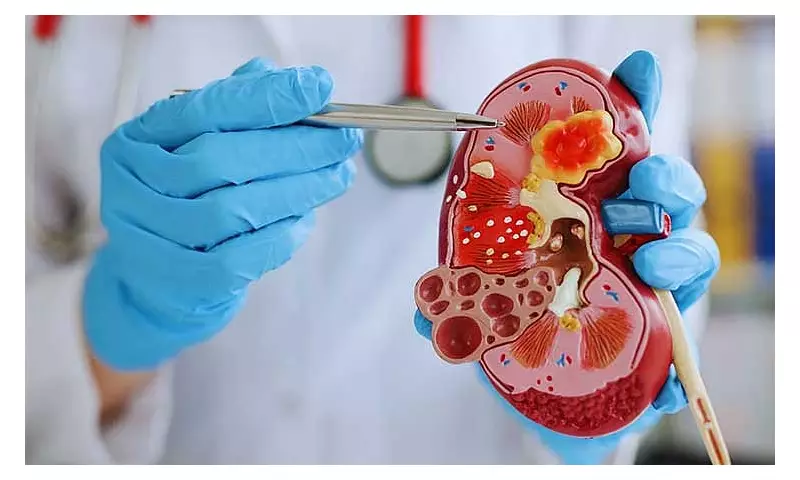
The Southern Philippines Medical Center (SPMC) in Davao is set to revolutionize kidney care in Mindanao with the soft launch of its dedicated Kidney and Transplant Institute on November 28, 2025. This landmark development will centralize all kidney-related services that were previously scattered across different areas of the medical center.
One-Stop Center for Comprehensive Kidney Care
Dr. Maria Therese Bad-ang, the head of the newly established SPMC Kidney and Transplant Institute, announced that this will become the 17th institute under SPMC and represents a significant upgrade in renal healthcare services for the southern Philippines. During the Kapehan sa Dabaw event at SM City Davao on November 24, Dr. Bad-ang emphasized the convenience this new facility will bring to patients.
"Now it will be in one area, one center, a one-stop-shop. When you go to the institute, you will see the institute right away, and you won't have to go to different places anymore," Dr. Bad-ang explained. "Patients won't have to navigate through different sections of SPMC anymore because they now have their own functional operating room."

Expanded Services and Capacity
The institute will offer comprehensive renal services including:
- Hemodialysis with 100-bed capacity
- Peritoneal dialysis
- Kidney transplantation
- Immunology laboratory
- Urology services
- Nephrology training programs
- Pediatric nephrology
- Nursing and dialysis training
Initially, the institute will admit 62 patients, while outpatient dialysis services can accommodate three high-risk patients using Continuous Renal Replacement Therapy (CRRT) machines operating 24 hours daily. The full opening of their dialysis center is scheduled for March 2026, when it will achieve its complete 100-bed dialysis capacity, serving approximately 300 patients daily.
This represents a substantial increase from SPMC's current capacity of 55 dialysis beds serving about 150 patients per day. The medical center currently caters to approximately 200 kidney patients daily.
Addressing the Growing Kidney Disease Crisis
The establishment of the Kidney and Transplant Institute comes at a critical time as kidney disease cases continue to rise dramatically across the Philippines. According to National Kidney and Transplant Institute (NKTI) data, 64,845 individuals underwent dialysis in 2024 - a alarming 22% increase from 53,296 patients in 2023.
Dr. Bad-ang revealed that kidney disease mortality in the region has increased to 13%, with many patients suffering from other underlying conditions that complicate treatment. She emphasized that dialysis should not be feared as it serves as a bridge toward kidney transplantation rather than a permanent solution.
The national transplant waiting list presents another challenge, with 456 patients awaiting organ transplants as of June 2025. Of these, 437 need kidney donors, while 15 require liver transplants and four need lung transplants.
Alarming Trends in Pediatric Kidney Disease
Recent data reveals concerning trends in childhood kidney disease. NKTI's pediatric nephrology department reported that chronic kidney disease cases in children increased from 144 cases (9.3%) in 2023 to 301 cases (12.1%) in 2024, representing a three percent increase.
The data shows that 55% of pediatric CKD cases are boys, often linked to congenital anomalies of the kidney and urinary tract. Age distribution indicates 128 patients aged 16-18, 120 patients aged 11-15, 38 patients aged 6-10, and 15 patients aged 5 years or younger.
Prevention and Lifestyle Recommendations
Dr. Bad-ang stressed that prevention remains their primary mandate. "Our main mandate really is prevention, because just because dialysis is free doesn't mean you should stop managing your kidney disease," she emphasized.
She urged the public to get health checkups before the holiday season, noting that many people only seek medical attention in January after experiencing negative effects from excessive holiday eating.

Regarding dietary habits, Dr. Bad-ang explained that salt and sugar are acceptable in moderation but emphasized appropriate portion control. She recommended daily salt intake of only 1.2 grams, warning that a single pack of junk food contains approximately 2.5 grams of salt - more than double the recommended daily amount.
The doctor expressed concern that kidney patients are becoming younger, highlighting the importance of lifestyle modifications including reducing smoking, high-sodium diets, obesity, and excessive alcohol consumption - all identified risk factors for kidney disease by health authorities.
The SPMC Kidney and Transplant Institute aims to eventually become the National Kidney and Transplant Institute of the South, eliminating the need for Mindanao patients to travel to Manila for advanced renal care services.