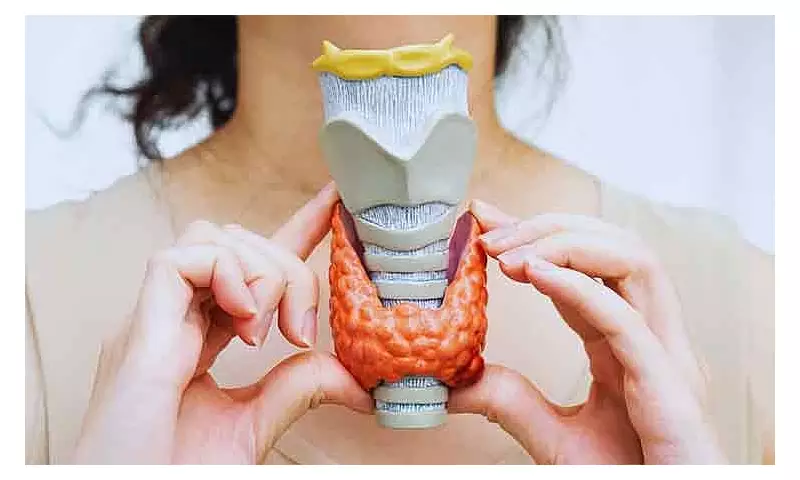
SPMC Medical Officer Advocates for Thyroid Health Awareness in Davao
During the Healthy Davao Media Forum held at SM City Davao on January 26, 2026, a medical official from the Southern Philippines Medical Center (SPMC) issued an important public health reminder. Dr. Dame Canonigo Umbauan, Resident and Medical Officer III of the Department of Internal Medicine at SPMC, strongly encouraged the public to seek medical evaluation when neck masses grow, particularly in observance of Goiter Awareness Week.
Recognizing the "Small but Terrible" Thyroid Gland
Dr. Umbauan explained that the thyroid gland, while small in size, exerts a powerful influence on overall health. "Most of the time, people seek consultation when the mass is already large. Most of the time, the symptoms of hyperthyroidism or hypothyroidism are not immediately linked to whether the neck mass is a goiter or just a nodule," she stated. She described the organ as "small but terrible, small but powerful" due to its crucial role in regulating metabolism and various hormones throughout the body.
Identifying Symptoms of Thyroid Disorders
The medical officer outlined distinct symptom patterns for different thyroid conditions:

- Hyperthyroidism: Common indicators include irritability, tremors, gastrointestinal issues such as frequent diarrhea (even without consuming uncooked food), unexplained weight loss, difficulty sleeping, and sudden feelings of panic.
- Hypothyroidism: Symptoms may manifest as persistent tiredness, unexplained weight gain, and impaired cognitive function.
Philippine Thyroid Disease Statistics and Prevention
According to the 2012 Philippine Thyroid Disease Study, which remains the latest national data, 8.5 percent of Filipinos have thyroid diseases. Within this percentage, 0.6 percent have hypothyroidism and 0.5 percent have hyperthyroidism. Dr. Umbauan noted that SPMC's internal data hasn't been updated since 2008, as public health efforts have prioritized conditions with higher mortality rates like cardiovascular diseases.
She emphasized the critical importance of the Philippines' Asin Law (Republic Act No. 8172), officially known as the "Act for Salt Iodization Nationwide." This legislation promotes the use of iodized salt, providing iodine—a vital raw material for thyroid hormone production. Adequate iodine intake is especially crucial for pregnant women to prevent congenital hypothyroidism in their children.
Vulnerable Populations and SPMC's Response
Dr. Umbauan highlighted that women face greater vulnerability to thyroid disorders than men, partly due to hormonal changes during pregnancy that can affect thyroid function through interactions with beta-HCG. These conditions can develop across various age groups, from 20 to 75 years old, and often involve hereditary and autoimmune components.
At SPMC, medical professionals handle approximately 20 thyroid-related cases monthly in the emergency room and around 100 cases in outpatient services. The medical center is actively working to establish a dedicated thyroid clinic that will serve patients from Davao Region and throughout Mindanao. While the clinic hasn't officially launched yet, training for endocrinology services is already in progress, and active programs continue for diabetes management.
"We have not yet launched the thyroid clinic at SPMC, but we are working on it. Our endocrinology team is very active, addressing not only thyroid issues but also diabetes. We hope to launch it soon as a reliable platform for residents of Davao City and Mindanao to access dedicated care," Dr. Umbauan concluded.