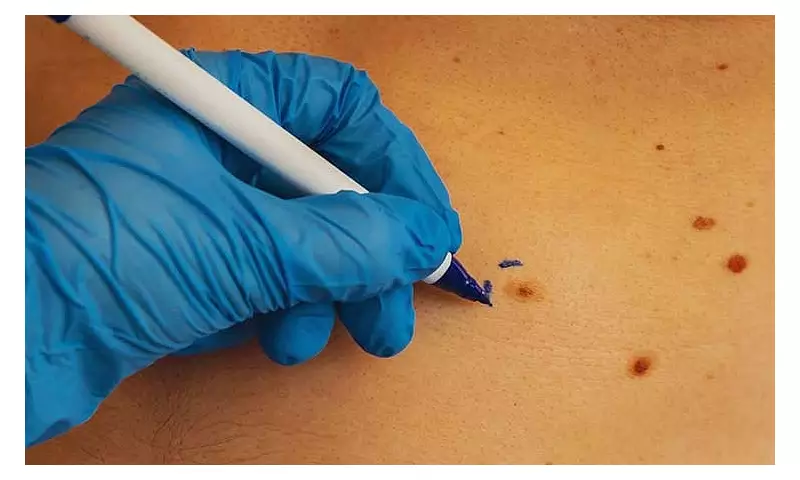
The Department of Dermatology at the Southern Philippines Medical Center (SPMC) has issued a crucial warning to the public regarding the treatment of skin conditions.
Avoid Self-Medication for Skin Problems
Dr. Maria Inez Benedicto, a resident at the SPMC Department of Dermatology, strongly advised against using over-the-counter and herbal medicines for skin problems. She explained that these products are often ineffective for treating skin lesions, and medical professionals are frequently uncertain about their actual ingredients.
"When patients come to the clinic, the skin lesions are already in a worse state," Dr. Benedicto stated during the Kapehan sa Dabaw event on the morning of Monday, November 24, 2025, at SM City Davao. "My advice for everyone is to seek consultations from professionals, most especially dermatologists, because these are the people who know how to diagnose and how to treat."

Common Skin Conditions and Patient Statistics
The department handles a wide range of skin diseases, including:
- Skin lesions and scabies
- Fungal and bacterial infections
- Autoimmune diseases
- Skin cancer
Dr. Benedicto revealed that their department attends to approximately 100 to 200 patients annually. While she noted this figure, she clarified that the increase in patient numbers might not directly indicate a rise in cases. Instead, it could reflect higher public awareness about skin health and the availability of medical services.
She urged the public to consult a dermatologist immediately if they notice any of the following warning signs:
- New moles showing discoloration or changes in shape
- Signs of bleeding or unusual discharge
- Any wounds that do not heal over time
Essential Skin Care and Protection Guidelines
Dr. Benedicto emphasized the importance of regular self-examination, advising people to check their bodies for lumps, non-healing wounds, and rashes that are spreading or changing color. For those observing such symptoms, she recommended seeking immediate medical consultation and noted that SPMC's outpatient department offers free healthcare services for these concerns.
Regarding skin cancer prevention, she highlighted effective sun protection as crucial since UV exposure represents a major risk factor. Her recommendations include:
- Using sunscreen with SPF 30 and above
- Applying sunscreen 30 minutes before going outdoors
- Reapplying sunscreen every two hours
Dr. Benedicto also addressed common misconceptions about sunscreen use, specifically the belief that it's unnecessary on cloudy days. She explained that UV rays can penetrate clouds and can be reflected by walls and concrete surfaces, making daily sunscreen application essential.
For people working outdoors such as farmers, traffic enforcers, and construction workers, she recommended wearing proper protective clothing, including long sleeves and long pants, to minimize direct sun exposure.