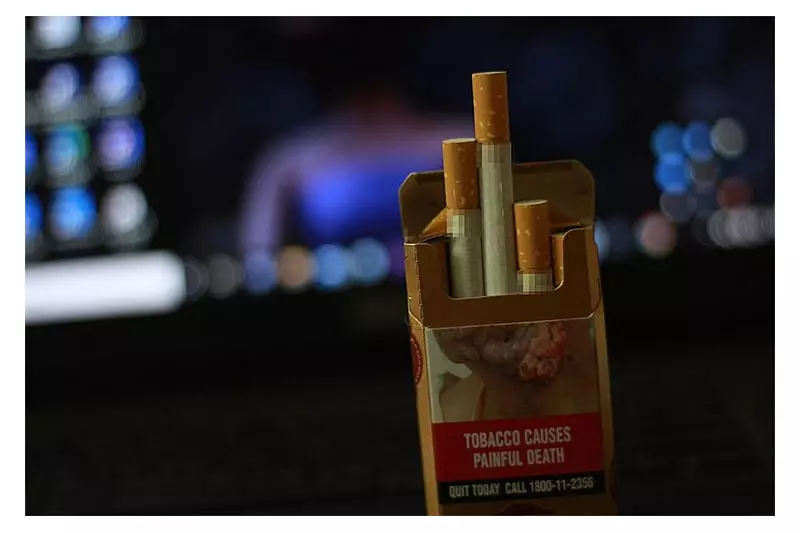
A stark health warning has been issued, clarifying that the danger of developing cancer from tobacco is not confined to those who actively smoke. This critical reminder came from the Philippine Cancer Society (PCS), highlighting a pervasive threat to public health.
Beyond Active Smoking: The Invisible Threats
During a media conference organized by the Department of Health (DOH) held in Tagaytay City last week, PCS operations manager Romeo Marcaida detailed the extensive risks. He emphasized that tobacco can affect individuals in multiple ways, extending far beyond the act of smoking itself.
Marcaida identified two primary forms of passive exposure. Secondhand smoke is the mixture of smoke exhaled by a smoker and the smoke drifting directly from burning tobacco products or vapes. Perhaps even more insidious is thirdhand smoke, the toxic residue that clings to surfaces long after the cigarette has been extinguished.

This residue, which contains nicotine, carcinogens, and heavy metals, settles on a wide range of items. Common household and personal objects become carriers, including:
- Clothing and furniture
- Walls and bedding
- Carpets and inside vehicles
A Dozen Cancers Attributed to Tobacco
Given the widespread nature of tobacco exposure, Marcaida delivered a sobering statistic: at least twelve different types of cancer are attributable to tobacco use and exposure. This finding underscores tobacco as a leading cause of multiple cancer diagnoses.
The list of cancers linked to tobacco is extensive and affects numerous organs. According to the PCS, these include:
- Lung cancer
- Esophagus and stomach cancers
- Cancers of the lip, oral cavity, and pharynx
- Larynx and pancreas cancers
The association does not end there. Tobacco use is also conclusively linked to an increased risk of developing:
- Bladder and liver cancer
- Colorectal cancer
- Leukemia
- Cervix uteri cancer
- Kidney cancer
This comprehensive list from the Philippine Cancer Society serves as a powerful call for heightened public awareness and preventive action against all forms of tobacco exposure.