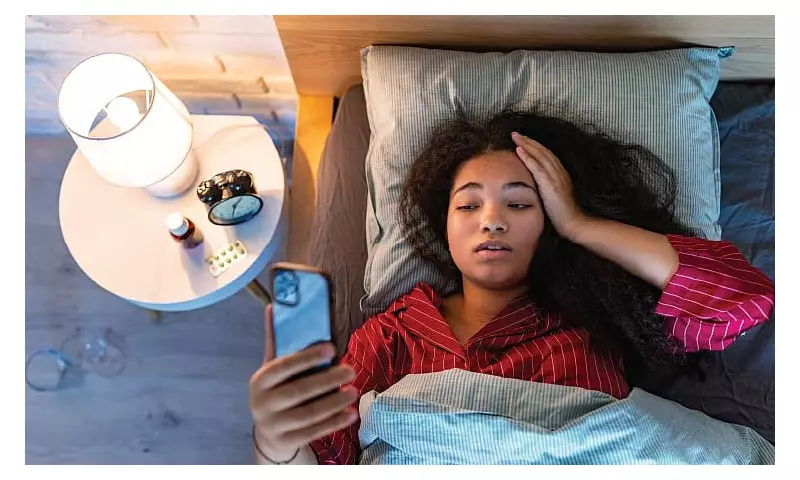
The Philippines has earned a troubling distinction in global health rankings, securing the top position in Southeast Asia and fourth place worldwide for sleep deprivation according to recent data. This alarming trend highlights a growing public health concern affecting millions of Filipinos.
The Alarming Statistics Behind Philippines' Sleep Crisis
A March 26, 2025 report from ANC cited by the Philippine Society of Sleep Medicine revealed the country's concerning sleep deprivation status. Even more worrying, many individuals who haven't been formally diagnosed with sleep disorders still struggle to obtain the quality rest their bodies desperately need.
Dr. Merci Angelie Letigio-Uy, who leads the Sleep Health and Wellness Center at the University of Cebu Medical Center, identified several key factors contributing to this widespread sleep problem during a November 12, 2025 presentation.

Modern Lifestyle: The Silent Sleep Thief
Contemporary Filipino lifestyles play a significant role in deteriorating sleep quality. The appeal of nightlife, the constant hustle for financial stability, and busy schedules that involve moving between multiple locations directly impact how well people sleep.
Individuals who smoke, consume alcohol regularly, or maintain inconsistent sleep patterns inevitably experience disrupted circadian rhythms. This internal 24-hour clock regulates our natural sleep-wake cycles, and when disturbed, makes quality rest nearly impossible to achieve.
Dr. Merci emphasizes that establishing a consistent routine forms the foundation of healthy sleep habits. She strongly recommends prioritizing six to eight hours of sleep each night as essential for physical and mental restoration.
Digital Dangers and Mental Health Challenges
Living in a highly digitized world brings both convenience and sleep complications. The constant exposure to blue light emitted from laptops, smartphones, and other handheld devices represents one of the primary obstacles to quality sleep.
According to Dr. Merci, late-night doomscrolling and extended screen time suppress melatonin production, the crucial hormone that signals our bodies to prepare for sleep. This biological interference transforms what should be an easy journey to slumber into a difficult struggle.
The sleep expert advises implementing a digital curfew, recommending zero screen time at least one hour before bed. Developing this habit helps maintain natural melatonin production and significantly improves sleep quality.
Daily anxieties and worries present another major barrier to restful sleep. As life demands intensify, finding genuine moments of mental rest becomes increasingly challenging.
Dr. Merci suggests tackling obstacles systematically, focusing on one day at a time while consciously making room for rest despite hectic schedules. While we cannot control every circumstance that comes our way, emotionally releasing the heavy matters beyond our control becomes essential for mental peace and better sleep.