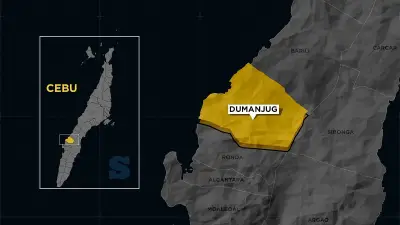
A 35-year-old former Overseas Filipino Worker (OFW) from Mandaue City, Cebu, has reached out to the popular advice column "Talk to Papa Joe," expressing deep emotional pain over feeling neglected and unvalued by her own family. The letter, published on December 2, 2025, reveals a complex family dynamic common among many Filipino households with members working abroad.
The Heartache of a Returning OFW
Identifying herself only as Liza, the woman detailed her journey of working overseas to support her parents and siblings. Like many OFWs, she made significant personal sacrifices. However, her return to Cebu after the pandemic marked the beginning of her emotional struggle. She feels her family does not appreciate the support she provided and now treats her differently compared to her married siblings.
Liza's situation became more poignant when she became pregnant after returning home. She states that her family did not help her during her pregnancy or after she gave birth. Her child is now three years old. This lack of support stands in stark contrast to the excitement her family now shows for her married siblings' pregnancies, leading Liza to question the reason for the disparity.

Seeking Answers and Validation
In her letter, Liza openly wonders if her family's coldness stems from her status as a single mother or from her decision to stop working as an OFW. "Nasuko ba ni sila nga wa koy bana o nasuko sila nga niundang ko pagka OFW?" she asked Papa Joe. She admits she has never directly confronted them about her feelings, but the pain runs deep. Her story highlights the often-unspoken emotional toll on OFWs who, after years of financial provision, seek emotional reciprocity and validation from their families.
Papa Joe's Counsel: Communication Over Assumption
In his response, Papa Joe offered thoughtful and culturally nuanced advice. He suggested that Liza might have misinterpreted the situation, but also acknowledged that a part of her suspicion could be valid. The core of his guidance emphasized open communication as the only path to resolution.
Papa Joe proposed that her parents' distance might not stem from a lack of love or appreciation. Instead, they could be acting out of their own worry and traditional concern for her future as a single mother. "Basin nahiubos pud sila nimo kay nanganak ka nga walay bana," he wrote, suggesting they might be burdened by societal stigma and fear for her stability.
He gently challenged Liza's perspective that her family only valued her money, urging her to consider that they might be preoccupied with her long-term welfare. However, he firmly concluded that the best course of action is for Liza to initiate a heartfelt conversation with her parents, setting aside pride to address the misunderstanding directly.
A Common Story with a Hopeful Path Forward
This exchange between Liza and Papa Joe sheds light on a recurring social issue in the Philippines. The OFW experience is not just an economic journey but an emotional one, where expectations on both sides can lead to profound hurt. The column, which invites submissions to papajoesuperb@gmail.com, provides a vital outlet for such personal crises.
Papa Joe's advice underscores a universal solution: honest dialogue. For Liza and countless others in similar positions, healing begins with voicing hidden pains and listening to the fears that may lie behind a family's seemingly cold behavior. The path to mutual understanding, while difficult, remains the most hopeful way to mend fractured bonds.