As the first light of December 20, 2025, had yet to break, the sound of church bells called the Catholic faithful across Cebu to the cherished Misa de Gallo. This series of dawn Masses, marking the nine days leading to Christmas, saw thousands gather in a profound display of faith, with major churches reaching full capacity and communities adapting the tradition for all.
Churches Overflow with Dawn Devotees
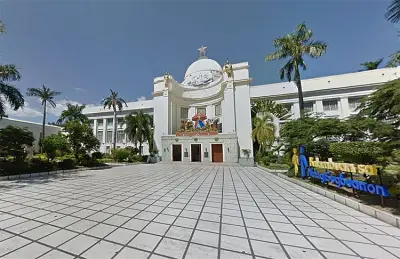
The pre-dawn air, cool and still, did not deter worshippers who began filling parish churches as early as 4 a.m. At the Basilica Minore del Santo Niño and the Cebu Metropolitan Cathedral, the influx of people was so great that spaces inside quickly reached their limit. Many Mandauehanons and other devotees found themselves participating in the Mass outside the National Shrine of St. Joseph after the interior filled to capacity. Similarly, the grounds of the Cebu Metropolitan Cathedral also accommodated an overflow of attendees.
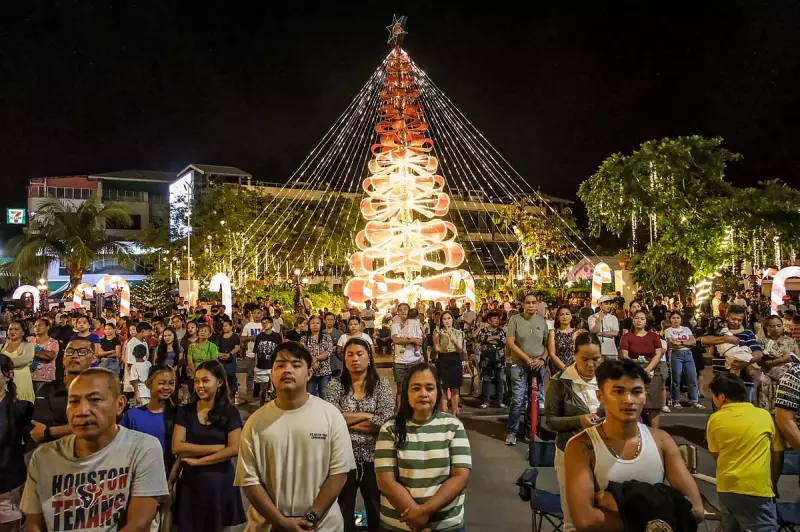
Inside the churches, the day began with hymns and prayers, a testament to the deep-rooted religious observance that defines the Christmas season for Cebuanos. Adding to the festive atmosphere, a Christmas tree was lit during the Mass at the National Shrine of St. Joseph, its glow a beacon for the thousands of worshippers present.

Mass Comes to the Marketplace
In a move to ensure no one missed out on the tradition due to work, a special dawn Mass was celebrated at Carbon Market, the city's largest public market. This initiative allowed vendors, porters, and early-morning shoppers to pause from their bustling trade and join in prayer. The Mass provided a spiritual respite amid the market's daily hustle, seamlessly blending faith with livelihood.
In neighborhoods like Barangay Talamban, communities gathered at their local parishes, such as the San Isidro Labrador Parish Church, continuing the tradition in their own corners of the city.
A Tradition of Faith and Community
The Misa de Gallo is more than a religious obligation; it is a social and cultural ritual that strengthens community bonds. For many families, the practice is a generational heritage. A key part of the experience is enjoying traditional rice cake delicacies like bibingka sold by vendors outside churches, such as the Cebu Metropolitan Cathedral. This not only sustains local small businesses but also creates a shared space for fellowship.
The festive spirit was further amplified by a colorful parade of the Three Kings riding camels through the streets near the Basilica and the Cathedral before the Mass. The collective observance across grand churches, humble parishes, and even a busy public market underscores the enduring and unifying power of this Filipino Christmas tradition, blending devotion, community, and anticipation for the holiday.