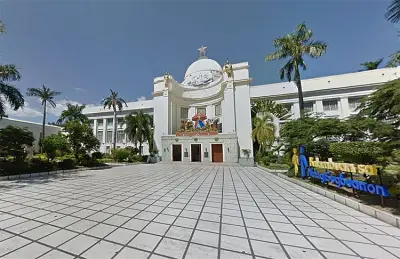
The Hospicio de San Jose de Barili, a pioneering institution for elderly care in the Philippines, has quietly marked a significant milestone: its 100th anniversary. Founded on a profound act of charity, it continues to operate today on the original principles of its visionary founders, entirely without government subsidy.
A Legacy Born from Compassion
The story begins with the siblings Don Pedro Cui, a wealthy lawyer from the tobacco trade, and his sister Benigna. Residing in a grand mansion in Cebu City's Parian district, their regular walks to the Basilica del Santo Niño exposed them to a poignant sight. They observed elderly women, many of them candle vendors dancing the Sinulog, who faced an uncertain future with no one to care for them in their old age.
Moved by this need and guided by their own "humility, kindness and generosity," as recalled by current administrator Raymund B. Cui, the unmarried siblings took action. They established the Hospicio de San Jose de Barili, creating a sanctuary that would become the first institution of its kind in the country.

A Self-Sustaining Sanctuary for 33 Beneficiaries
Located in the southwestern Cebu town of Barili, the Hospicio occupies a prime property along the national highway. Today, it is home to 33 beneficiaries who receive comprehensive care. A dedicated team including physicians, nurses, caregivers, nutritionists, and dieticians ensures their well-being.
Remarkably, all this care is provided free of charge. The institution receives no operational subsidies from the government, relying instead on a brilliant and sustainable model established by its founders. The operating costs are funded solely by rentals from properties that Don Pedro and Benigna Cui donated to the Hospicio. Raymund Cui, a fourth-generation family member, notes that most of these income-generating properties are located in downtown Cebu City.
Preserving a Heritage of Giving
Having outlived its founders and ten previous administrators, the Hospicio's centenary is a testament to its enduring mission. Raymund Cui shared that the institution is likely to be declared a national heritage site, a move that would help preserve its physical structure for future generations.
More importantly, the anniversary serves to honor the intangible legacy: the memory of the love, compassion, and spirit of giving that built the Hospicio. In an era often marked by greed, this century-old beacon of charity in Barili stands as a powerful reminder of the lasting impact of genuine philanthropy.