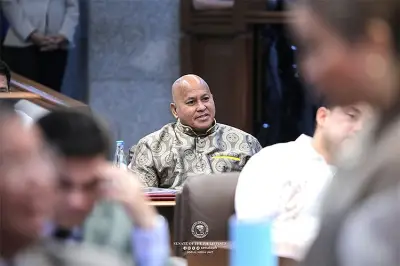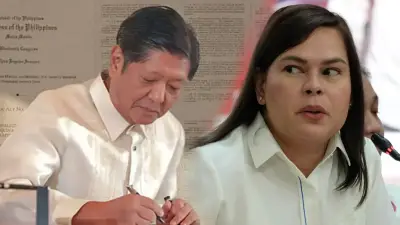
The Catholic Educational Association of the Philippines (CEAP) has publicly commended a landmark move towards governmental openness: the historic livestreaming of the bicameral conference committee deliberations on the national budget. This unprecedented access, occurring in December 2025, allows Filipino citizens to directly observe the complex negotiations that determine how public funds are allocated.
A Milestone for Transparency and Public Engagement
For the first time, Filipinos can witness the difficult trade-offs, debates, and political compromises that shape the national budget. CEAP views this livestream as a meaningful advancement for transparency and public participation in governance. The association specifically affirmed two positive outcomes from the budget discussions: the allocation of the largest education budget in the country's history and the renewed financial support for Project NOAH (Nationwide Operational Assessment of Hazards).
CEAP stated that these allocations demonstrate a commitment to long-term human development, scientific integrity, and the protection of life. Prioritizing education funding and disaster preparedness research signals an investment in the nation's future stability and resilience.

Livestream Reveals Systemic Weaknesses Requiring Reform
However, the same transparency that CEAP praised also exposed persistent flaws in the budget process. The association expressed concern over the realignment of funds between agencies without adequately addressing underlying systemic risks. It also criticized the continued dependence on patronage-based mechanisms, such as medical assistance distributed through political guarantee letters.
CEAP argued that these practices reveal a troubling reality: public resources remain vulnerable to political discretion rather than being managed through rights-based and accountable systems. While acknowledging the need for immediate aid to the poor, CEAP emphasized that charity filtered through political favor cannot substitute for robust public institutions that deliver healthcare, infrastructure, and social protection as a matter of justice.
A Call for Ethical Stewardship and Informed Citizenship
As the bicameral deliberations enter their final stage, CEAP respectfully urges legislators to protect allocations that directly strengthen core public institutions. The goal is to ensure essential services are delivered equitably and sustainably. The association advocates for building transparent, rights-based systems that reduce reliance on discretionary mechanisms and uphold strict accountability for public funds.
CEAP calls on both lawmakers and implementing agencies to uphold the principles of transparency, evidence-based planning, and ethical stewardship when finalizing national priorities. Furthermore, it challenges educational institutions to cultivate socially aware learners who understand the national budget as a moral document and are prepared to engage constructively in democratic life.
Finally, CEAP encourages civil society, the private sector, and all citizens to maintain vigilant and informed engagement throughout this decisive phase of the budget process, recognizing that meaningful participation is crucial while critical decisions are being made.