Cebu Provincial Board Proposes Clear Rules for Satellite Office Budgets
A new proposal at the Cebu Provincial Board seeks to establish definitive guidelines on how local officials utilize their monthly office budgets, with a specific focus on enhancing fiscal transparency. The initiative introduces a P15,000 cap on rental expenses for satellite offices, aiming to ensure that taxpayer funds are managed more responsibly and openly.
Clarifying the Monthly Budget Allocation
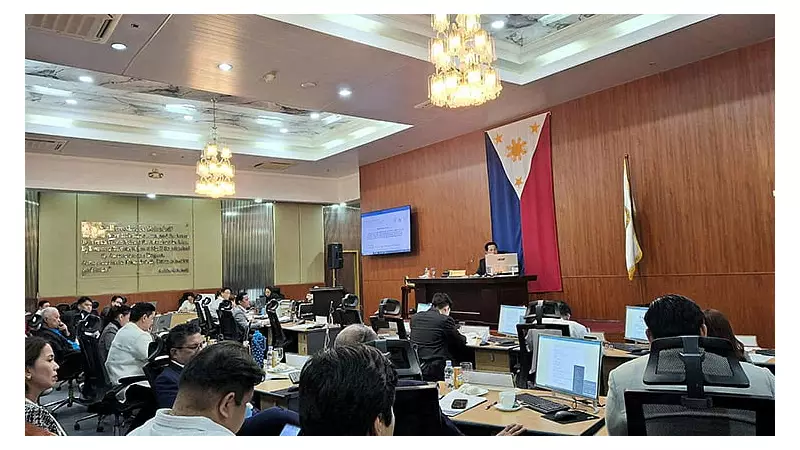
Board Member Nilo Seno presented this amendment to Provincial Ordinance 2025-11 during a session held on Monday, January 26, 2026. While the total monthly budget for each satellite office remains unchanged at P25,000, the revised rule provides explicit details on permissible expenditures.
Under the proposed amendment, the P25,000 allocation will cover essential operational costs, including:

- Electricity and water utility bills
- Internet and telephone services
- Rental expenses for office spaces, vehicles, or equipment
However, the proposal stipulates that rental costs for these items must not exceed P15,000 per month, ensuring a balanced distribution of funds.
Enhancing Accountability and Public Trust
The primary objective of this update is to align with stringent accounting and audit standards. By specifying items such as internet services and vehicle rentals, the board aims to foster greater public awareness and scrutiny of how government money is utilized.
"The Provincial Government of Cebu shall allocate a budget of P25,000 per month for each satellite office," the proposed amendment declares. "This amount will cover utility expenses such as electricity, water, internet, telephone, and rental expenses for office spaces and rentals for vehicles and equipment, of no more than P15,000.00 per month."
Supporting Local Districts Effectively
These satellite offices were initially established in October 2025 to enable board members to serve their home districts more efficiently. If the P25,000 budget proves insufficient for addressing constituent needs, officials are permitted to seek additional funding from external sources.
Regarding staffing, the offices will be operated by existing government employees. To maintain operational flexibility, these workers will not use biometric scanners for attendance tracking. Instead, they must maintain detailed logbooks and submit regular reports to the Provincial Treasurer’s Office.
Next Steps in the Legislative Process
The proposal has been forwarded to the Committee on Laws and Review on Ordinances for thorough examination. To become official law, it must undergo a second and third reading by the board.
This initiative marks a significant step toward more organized and transparent government spending, ensuring that local offices remain accessible and beneficial to the community while adhering to established budgetary limits.