Cebu City Grapples with Soaring Waste Management Costs After Landslide
Cebu City is confronting a severe financial strain on its street cleaning budget in the wake of a catastrophic landslide that forced the shutdown of its primary landfill. The city now faces significantly higher expenses to transport waste across the province, potentially leading to a multi-million peso deficit.
Escalating Expenses from Landfill Closure
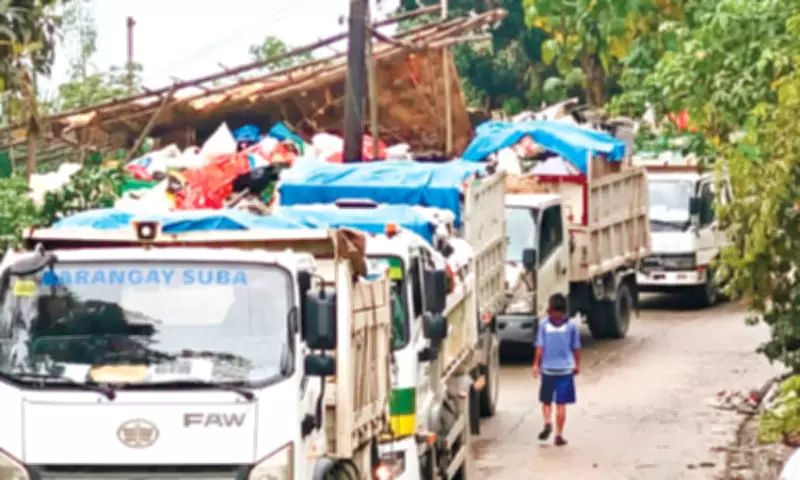
Following the tragic trash slide at the Binaliw landfill on January 8, 2026, which resulted in 36 fatalities, Cebu City has been compelled to relocate its waste disposal operations. Prior to the incident, the city spent approximately P1,100 per ton to dispose of 600 tons of garbage daily at the nearby Binaliw site. Currently, the city must haul around 1,000 tons of waste each day to Aloguinsan, a town situated 61 kilometers away.
This shift has driven costs up to P3,906 per ton, causing monthly expenditures to skyrocket from P19.8 million to about P117.18 million. The city's annual P500 million budget for waste management is now insufficient to cover these increased costs, prompting concerns about tapping into savings and unused funds from previous years to prevent trash accumulation on streets.

Logistical Challenges and Limited Alternatives
Mayor Nestor Archival emphasized the budget inadequacy, stating, "To be honest, the budget is not enough. The P500 million allocation was computed when our landfill was still in Binaliw." Managing the daily transport of 1,000 tons of waste involves complex logistics, including a nighttime operation initiated due to complaints from towns along the route about daytime garbage truck traffic.
Trucks begin loading at a temporary site in the South Road Properties as early as 6 p.m. to comply with an 8 p.m. truck ban. Mayor Archival highlighted challenges such as ensuring trucks are properly covered and drivers exercise caution, noting that while traffic issues have improved, the financial burden remains heavy.
The crisis has exposed a regional shortage of waste facilities. Cebu City initially considered using a landfill in Consolacion, but Mayor Archival rejected the agreement as it was already overwhelmed by four other local government units, leaving Aloguinsan as the only viable, albeit costly, option.
Proposal to Reopen Binaliw Landfill
To mitigate the financial drain, the Cebu City Council passed a resolution on February 23, requesting the Department of Environment and Natural Resources to reopen a small three-hectare section of the 17-hectare Binaliw site, which has been closed under a cease-and-desist order since the January accident. Prime Integrated Waste Solutions Inc., the private operator, is seeking permission to resume operations under stricter safety regulations.
If approved, partial reopening of the Binaliw site could save the city millions. However, Mayor Archival warned that if the proposal fails, expenses could effectively double, placing Cebu City in a precarious position as it struggles to balance waste management with fiscal sustainability.