DSWD Boosts Child Nutrition with Expanded Supplementary Feeding Program
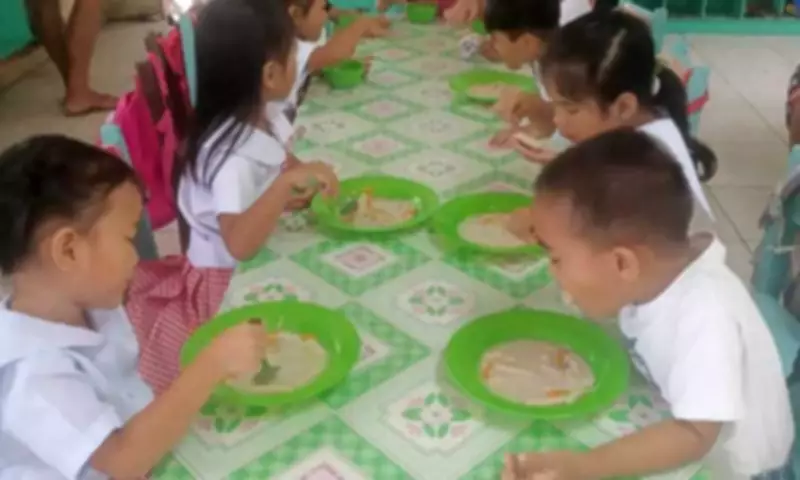
The Department of Social Welfare and Development (DSWD) has announced a significant expansion of the Supplementary Feeding Program (SFP) for 2026, backed by a substantial budget increase to enhance nutritional support for young children across the Philippines.
Budget Increase and Program Expansion
From a budget allocation of PHP5 billion in 2025, the DSWD has raised the funding to PHP9.26 billion for 2026. This increase enables the agency to extend the feeding period from 120 days to 180 days, ensuring more sustained nutritional assistance for beneficiaries.
DSWD spokesperson Assistant Secretary Irene Dumlao emphasized that this expansion reflects the department's strengthened commitment to improving the nutritional status of children aged two to five years old. The program targets those enrolled in Child Development Centers (CDCs) and Supervised Neighborhood Playgroups (SNPs), aligning with the Philippine Plan of Action for Nutrition (PPAN) and the Philippine Development Plan (PDP) 2023–2028.

Enhanced Coverage and Reach
The expanded program will now cover more municipalities and child development centers nationwide. Key statistics highlight the growth:
- Program coverage increased from 1,583,316 children in 2025 to 1,899,415 in 2026.
- The number of covered municipalities rose from 735 to 864.
- Covered CDCs in priority PPAN areas grew from 29,094 to 32,230.
- In provinces with high poverty incidence, covered CDCs increased from 5,284 to 7,824.
Dumlao stated, "The expansion ensures that more undernourished children in geographically and economically vulnerable communities receive regular and additional nutritional support."
Program Performance and Achievements
Recent years have shown consistently high accomplishment rates for the SFP. In 2024, the program served 99.17 percent of the annual target, while in 2025, it exceeded the target by reaching 100.25 percent accomplishment. Additionally, milk feeding efforts have reached over 100,000 children annually, underscoring the importance of continued investment.
Strengthening Partnerships and Capacity Building
The DSWD is actively strengthening partnerships with local government units to ensure the orderly implementation of the SFP. Efforts include enhancing Supervised Neighborhood Playgroups to reach children not enrolled in CDCs, particularly those who are undernourished.
Capacity building initiatives involve conducting Parent Effectiveness Sessions and promoting greater community participation. The program also supports local farmers and producers as sources of food commodities, fostering sustainable community involvement.
Dumlao added, "With the expansion of the program, the SFP is expected to further contribute to improved child nutrition outcomes and support national efforts to combat hunger and undernutrition among Filipino children."
The expansion of the Supplementary Feeding Program marks a critical step in addressing nutritional challenges among young Filipinos, with increased funding and extended coverage poised to make a significant impact in vulnerable communities across the nation.