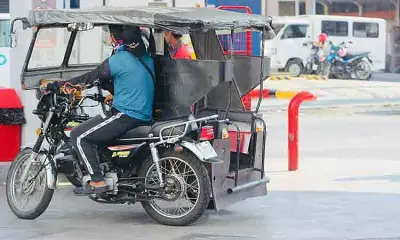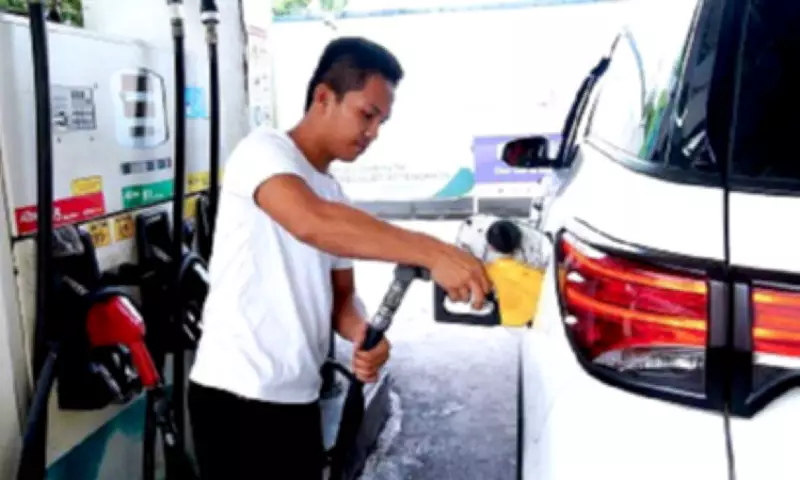
The Land Transportation Franchising and Regulatory Board (LTFRB) has issued a critical advisory to qualified beneficiaries of the fuel subsidy program, urging them to validate or replace their cards promptly to avoid complications during the distribution of funds. In a recent statement, the agency encouraged beneficiaries whose cards are lost, expired, or inactive to coordinate with the Land Bank of the Philippines to resolve these issues.
Preventing Delays in Subsidy Distribution
The LTFRB emphasized the importance of timely action, stating, "Beneficiaries are advised to address their card issues as soon as possible to prevent any delays when the subsidy program is officially implemented." This move aims to ensure a smooth and efficient rollout of financial assistance, particularly as the government prepares to launch targeted support measures in response to economic pressures.
President Marcos Jr. Announces Fuel Subsidy Plans
On Tuesday, March 3, 2026, President Ferdinand "Bongbong" Marcos Jr. confirmed that the government has finalized plans to implement targeted fuel subsidies for affected sectors, with a focus on transportation and agriculture. This decision comes amid rising international oil prices, driven by ongoing conflicts in the Middle East that have disrupted global supply chains.

President Marcos specified that the subsidy program will be activated once crude oil prices reach $80 per barrel. He noted that the Philippines currently maintains an estimated reserve of 50 to 60 days for gasoline, fuel oil, and kerosene, providing a buffer against immediate shortages. However, he highlighted that the Middle East region, a major global oil supplier, significantly influences price fluctuations, making proactive measures essential to mitigate economic impacts on vulnerable industries.
Broader Implications for the Economy
The advisory from the LTFRB and the presidential announcement underscore the government's efforts to address the ripple effects of global oil market instability. By ensuring that subsidy mechanisms are ready and accessible, authorities aim to support key sectors like transport and agriculture, which are heavily reliant on fuel for operations. This proactive approach seeks to stabilize local economies and protect consumers from the brunt of international price hikes, fostering resilience in the face of ongoing geopolitical tensions.