The Department of Budget and Management (DBM) has pledged to ensure the timely and transparent release of a historic budget allocation to the Philippine Health Insurance Corporation (PhilHealth) for 2026. This move is designed to support the immediate expansion of health benefits and the enhancement of services for millions of Filipinos.
A Record-Breaking Investment in Healthcare
PhilHealth is set to receive a monumental P113 billion subsidy in 2026. This figure combines the P53.13 billion originally proposed for the coming year with an additional P60 billion in funds that were previously withheld but have now been restored. Executive Secretary Ralph Recto hailed this allocation as "the boldest and most decisive investment in universal healthcare for vulnerable and underprivileged Filipinos in the country’s history."
Recto emphasized that a significant part of this subsidy will be financed by sin tax revenues—money collected from the sale of alcohol and tobacco products that is being redirected back into the public healthcare system. The massive funding is intended to directly support the medical needs of impoverished families, senior citizens, persons with disabilities, and other vulnerable sectors, ensuring expanded PhilHealth coverage without added financial burden.

Resolution of Withheld Funds and Judicial Backing
The path to this record budget involved key judicial and executive actions. In a decision dated December 3, the Supreme Court unanimously ordered the return of the P60 billion that had earlier been transferred to the National Treasury. The high court also permanently barred the transfer of the remaining fund balance of P29.9 billion.
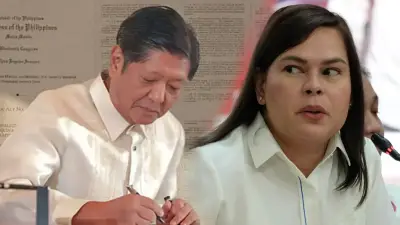
This ruling followed an earlier directive from President Ferdinand R. Marcos Jr. in September, who had already ordered the restoration of the withheld funds to PhilHealth. Recto noted that the 2026 budget confirms the full delivery of this administration's promise to its citizens.
Exceeding Promises for Underprivileged Filipinos
The administration has framed the P113-billion allocation as not merely fulfilling but exceeding its commitment to protect underprivileged Filipinos through better healthcare. "With the PHP113-billion allocation, we are not just keeping that promise -- we are exceeding it," Recto stated. He firmly declared this subsidy as "the largest single-year investment for the poor under universal healthcare."
The commitment from the DBM for a proper and transparent release mechanism is now crucial. It ensures that these unprecedented funds translate directly into tangible improvements in health service delivery and benefit coverage for those who need it most across the Philippines.