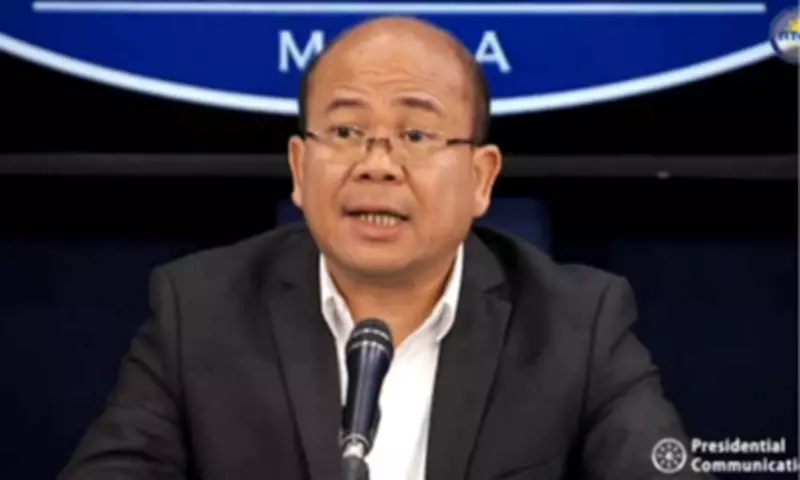
The administration of President Ferdinand R. Marcos Jr. has strategically allocated PHP238 billion to mitigate the adverse effects of escalating fuel prices on critical sectors of the economy. Department of Budget and Management (DBM) Acting Secretary Rolando Toledo announced this significant financial commitment during a session with the Legislative Energy Action Development (LEAD) Council on Wednesday, emphasizing a targeted approach over broad-based subsidies.
Prudent Fiscal Strategy Amid Economic Challenges
Speaking before the council, which comprises thirteen House of Representatives committees, Toledo detailed that the funds are sourced from the 2026 General Appropriations Act and continuing appropriations. "To respond to the crisis we are experiencing, we have identified around PHP238 billion from available appropriations," Toledo informed lawmakers, underscoring the administration's focus on immediate relief while maintaining fiscal discipline.
The DBM chief stressed the importance of calibrated support, stating, "We have to be prudent. The assistance must be targeted to those who are most vulnerable." This approach aims to ensure that resources are efficiently directed to those in greatest need, rather than implementing blanket subsidies that could strain the national budget.

Immediate Relief for Transport and Agriculture
In the transport sector, PHP2.5 billion has already been disbursed, accompanied by an additional PHP1 billion for service contracting to stabilize operations amidst rising fuel costs. For agriculture and fisheries, approximately PHP10 billion has been released to the Department of Agriculture as presidential assistance to alleviate production and logistics expenses.
Furthermore, cash support is being distributed through the Aid to Individuals in Crisis Situations (AICS) program under the Department of Social Welfare and Development, with allotments issued and disbursements proceeding based on agency requests. The government has also funded repatriation assistance for overseas Filipino workers via the Department of Migrant Workers and the Overseas Workers Welfare Administration.
Expanding Existing Programs for Broader Impact
Toledo highlighted that existing initiatives can be expanded as necessary, citing the Department of Labor and Employment's Tulong Panghanapbuhay sa Ating Disadvantaged/Displaced Workers program and the Department of Health's health interventions. This flexibility allows the government to adapt its response to evolving economic conditions and sector-specific needs.
Coordinated Legislative Response to Global Volatility
The LEAD Council, established under the leadership of Speaker Faustino "Bojie" Dy III, unites thirteen House committees to synchronize fiscal, energy, and sectoral responses. This coordination is crucial in addressing global oil volatility, which is driving up transport fares, food prices, and overall inflation. The council is presided over by Marikina City Representative Miro Quimbo, chair of the Committee on Ways and Means, who is leading the panel's coordinated briefings and policy direction.
This comprehensive strategy reflects the administration's commitment to safeguarding the economy and supporting vulnerable populations through a balanced and targeted fiscal approach, ensuring that relief efforts are both effective and sustainable in the face of ongoing economic pressures.