Philippine Senate Advances Measures to Suspend Fuel Taxes Amid Global Oil Price Surge
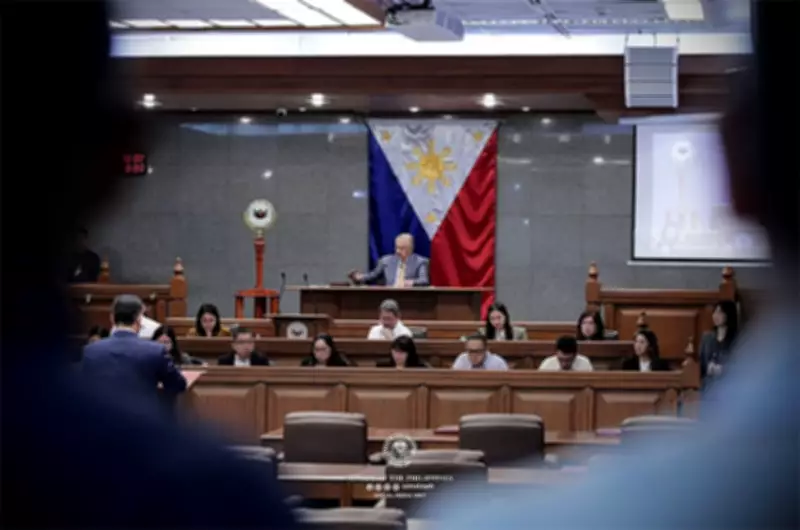
As global oil prices climb past the $100-per-barrel mark, lawmakers in the Senate of the Philippines are taking proactive steps to shield Filipino households from another wave of rising prices. Two key Senate panels, the committees on Energy and Ways and Means, have approved in principle several legislative measures designed to empower President Ferdinand Marcos Jr. with the authority to suspend or reduce excise taxes on petroleum products during economic emergencies.
Senate Bill 1923: A Legislative Response to Market Volatility
At the heart of this initiative is Senate Bill 1923, authored by Senator Bam Aquino. This bill seeks to amend the tax code to grant the executive branch the immediate ability to suspend fuel excise taxes when global market volatility threatens to drive up local commodity prices. The proposal comes as the price of Dubai crude oil has surged beyond $100 per barrel, raising significant concerns that this increase could soon ripple through the Philippine economy, escalating the costs of fuel, transportation, and basic goods.
Aquino emphasized the urgency of the measure, stating that it aims to provide the government with the capability to act swiftly before economic conditions deteriorate further. He recalled a previous provision from 2017 that allowed an automatic suspension of the excise tax once crude oil reached $80 per barrel, but noted that this measure was only operational for three years and has since ended.

"That is why it would be good to have this proposal again," Aquino said. "We know that when oil prices increase, the prices of goods also go up. So before that happens, we should already give the President the authority to suspend it so we can prevent the rise in the prices of goods."
Addressing Economic Impacts and Government Preparedness
The senator warned that waiting until fuel prices spiral further could leave the government scrambling for solutions. He pointed out that lawmaking is not an instant process, and even if a bill is certified as urgent, it could still take about a month to pass. "We're expecting this to go higher, lawmaking is not instant," Aquino said. "So we want to be ready for the increases that we're expecting."
Aquino highlighted that surging fuel prices have a broad impact, not only affecting transportation but also driving up the cost of everyday goods. "When the prices of gasoline and diesel increase, the prices of all goods also go up," he explained. "Often, our government responds late and acts only after something bad has already happened."
Debate Over Revenue Losses and Corruption Concerns
However, economic managers have raised cautions, noting that suspending fuel excise taxes could cost the government more than P130 billion in lost revenues. Aquino countered this argument by stressing that the bigger issue lies in addressing corruption and ensuring the proper use of public funds.
"This argument about collections and revenue losses should also be paired with the proper use of public funds," Aquino said. "We're still in the middle of a scandal where trillions of pesos were lost to corruption. That is what we should address first. We should close the gaps and the leaks when it comes to corruption. That amount is far greater than the possible tax losses from suspending the excise tax on crude oil, gasoline, and diesel."
Additional Proposals and Legislative Progress
In addition to suspending the excise tax, Aquino is also proposing the return of direct subsidies for public transport drivers and delivery workers, whose incomes are heavily affected by fuel price increases. "Meanwhile, the workers who are directly affected whose take-home pay is immediately reduced we should directly assist them and provide them with support," he added.
The Senate is currently consolidating legislative proposals while awaiting the House of Representatives to transmit its version of the bill. Once received, senators aim to sponsor the measure on the plenary floor as early as next week.

Presidential Stance and Future Outlook
Meanwhile, President Marcos has indicated that he is waiting for the final committee reports from both chambers before deciding whether to certify the measure as urgent. He described the proposal as a "precautionary tool" to help safeguard the Philippine economy from the impact of soaring global fuel prices. This legislative effort underscores the government's attempt to balance immediate economic relief with long-term fiscal stability in the face of volatile international oil markets.