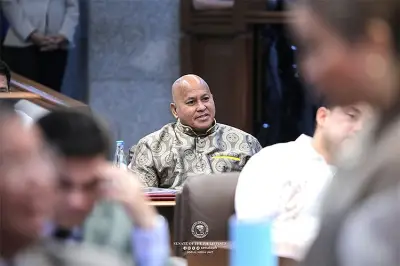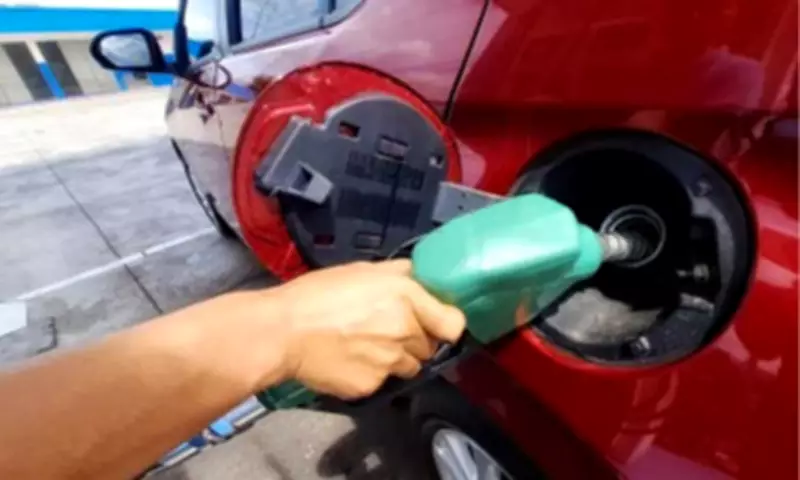
The Philippine Senate has taken decisive action to address the mounting pressure of escalating global oil prices by approving a pivotal measure that empowers the President to suspend excise taxes on petroleum products. This legislative move, passed on Tuesday, aims to deliver immediate financial relief to consumers grappling with soaring fuel costs.
Overwhelming Support and Rigorous Scrutiny
Senate Bill No. 1982 received resounding approval with 17 affirmative votes, zero negative votes, and zero abstentions, reflecting a unified stance on addressing the economic strain. Sponsor Senator Pia Cayetano emphasized that the bill underwent extensive and meticulous discussions, including caucuses and hearings, to ensure robust safeguards are firmly in place for the benefit of the public.
"We did not rush this just because it is a certified measure," Cayetano stated. "We want to assure the public that we have taken time to thoroughly assess this legislation to ensure that Filipinos will truly benefit from its intended outcomes." She highlighted that provisions were significantly strengthened, particularly regarding reportorial requirements for oil companies, to guarantee that any reductions in taxes directly translate to lower pump prices for consumers.

Fiscal Impact and Government Sacrifice
In his explanation of the vote, Senator Sherwin Gatchalian acknowledged the substantial fiscal implications of the measure, projecting a potential loss of PHP135 billion if the suspension extends over eight months. "Suspending the excise tax is not an easy decision," Gatchalian remarked. "The government, and all of us, are making sacrifices to help our fellow citizens during these challenging times." He strongly urged oil companies to fulfill their part by ensuring that price reductions are fully passed on to consumers, reinforcing the collaborative effort required for effective relief.
Short-Term Relief and Long-Term Solutions
Senator Risa Hontiveros, who voted in favor of the bill, underscored its role in providing short-term relief while advocating for complementary interventions to address deeper systemic issues. "Yes to immediate relief, but with a call for more profound and effective solutions," Hontiveros asserted. She proposed pairing the tax suspension with a supplemental budget and direct subsidies for vulnerable sectors such as transport workers, farmers, and fisherfolk, who are disproportionately affected by fuel price hikes.
Hontiveros also issued a cautionary note regarding potential revenue losses, warning that such financial shortfalls could impact funding for critical social services, including health and education programs. This highlights the delicate balance between providing economic relief and maintaining essential public investments.
Advocating for Faster Response Mechanisms
Meanwhile, Senate President Pro Tempore Panfilo "Ping" Lacson pushed for a more responsive framework to trigger the suspension or restoration of excise taxes. He suggested implementing a two-week averaging period for global oil prices to expedite relief measures. "Two weeks of savings on fuel is a significant advantage," Lacson emphasized, citing the necessity for quicker action amid what he described as "extraordinary" global conditions.
Lacson also stressed the importance of balancing revenue considerations, noting that foregone revenues from the suspension could reach at least PHP136 billion in 2026. This fiscal prudence underscores the Senate's commitment to ensuring that relief efforts are sustainable and do not unduly compromise the nation's financial stability.
The passage of this bill marks a critical step in the government's strategy to mitigate the economic impact of volatile global oil markets, with a clear focus on consumer protection and fiscal responsibility. As the measure moves forward, stakeholders will closely monitor its implementation to ensure that the intended benefits reach the Filipino people effectively.