Ethics Complaint Filed Against Senator JV Ejercito Over Inaction on Escudero Case
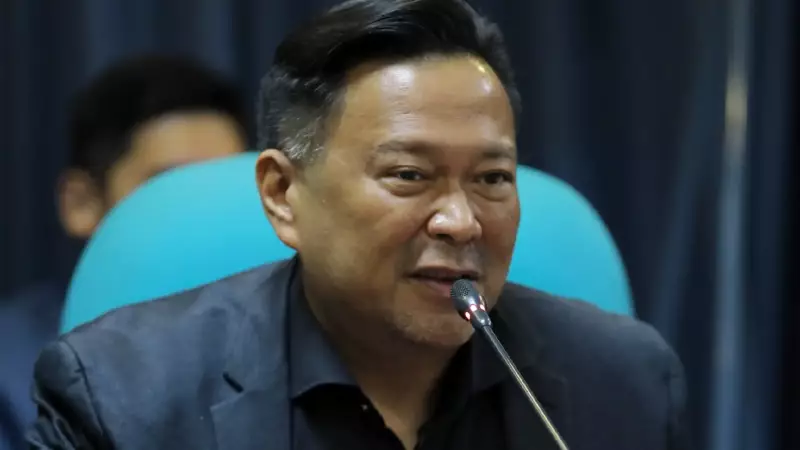
An ethics complaint has been formally lodged against Senate Deputy Majority Leader and Ethics Committee Chair Senator JV Ejercito, accusing him of severe dereliction of duty. The complaint stems from his alleged failure to act on a prior complaint filed against Senator Francis "Chiz" Escudero, raising significant concerns about procedural delays and accountability within the Senate's ethical oversight mechanisms.
Details of the Complaint and Ejercito's Response
Attorney Marvin Aceron filed the ethics complaint, asserting that over 109 days have passed since the initial complaint against Escudero was submitted, yet no action has been taken. According to Aceron, this includes the absence of a case number assignment or any formal notice regarding the proceedings. Senator Ejercito confirmed receipt of the complaint but defended his position by explaining that the Ethics Committee cannot conduct hearings because it has not yet been fully constituted. He emphasized that the Senate will adhere strictly to established rules and due process, with cases to be heard in the order they were filed once the committee is complete.
Background on the Escudero Case and Legal Implications
The original complaint against Senator Escudero centers on a ₱30-million campaign donation he received in 2022 from contractor Lawrence Lubiano. Under the Omnibus Election Code, political donations from government contractors are prohibited, making this a potentially serious violation. However, Escudero has maintained that the donation was legal and properly declared. In November 2025, the Political Finance and Affairs Department (PFAD) of the Commission on Elections cleared both Escudero and Lubiano after determining that Lubiano and his company are separate legal entities, which may complicate the ethical and legal scrutiny of the case.

Broader Implications for Senate Ethics and Governance
This development highlights ongoing challenges in the Philippine Senate's ethics enforcement, particularly regarding transparency and timeliness in handling complaints. The delay in forming the Ethics Committee has sparked debates about institutional efficiency and the need for robust mechanisms to address allegations of misconduct among public officials. As the situation unfolds, it underscores the critical importance of upholding ethical standards in governance to maintain public trust and ensure accountability in the political arena.