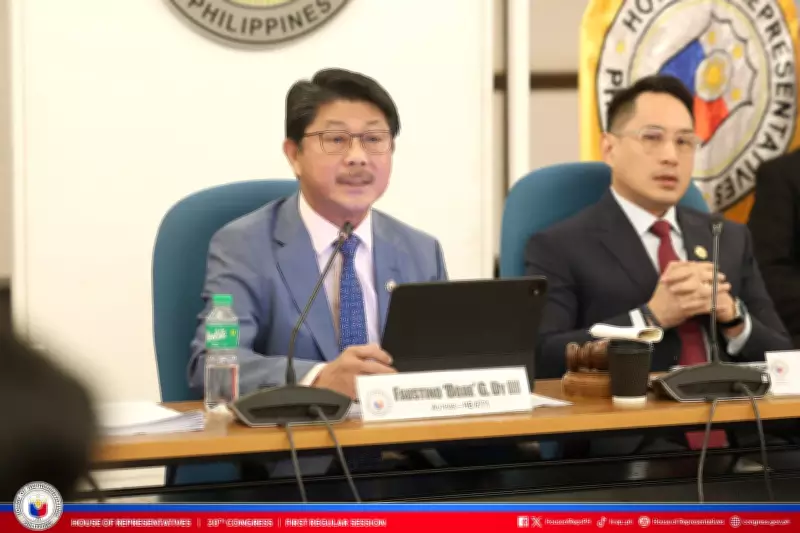
House Committee Initiates Deliberations on Anti-Political Dynasty Bill
The House of Representatives has officially commenced deliberations on the proposed Anti-Political Dynasty bill, a legislative measure designed to foster equal access to public service, ensure fair political competition, and reinforce accountability in government. This move marks a significant step toward addressing long-standing concerns about political monopolies and dynastic control in Philippine politics.
Constitutional Mandate and Legislative Priority
According to Lanao del Sur Representative Zia Alonto Adiong, who chairs the House Committee on Suffrage and Electoral Reforms, this initiative fulfills a provision from the 1987 Constitution that has remained unimplemented for decades. He emphasized that the bill is not an attack on families but rather a reinforcement of core democratic principles, including:
- Equal access to public office
- Fair competition in electoral processes
- The concept of public office as a public trust
Adiong clarified that the hearings are not targeting any specific individuals or dynasties but are focused on responding to the constitutional mandate and public expectations for a more equitable political landscape.

Broad Support and Sensitive Nature of the Issue
The bill has garnered widespread support from key stakeholders, including the President, House leadership, and the general public. It is also listed as a priority under the Legislative-Executive Development Advisory Council (LEDAC), highlighting its importance in the current legislative agenda.
However, Adiong acknowledged the sensitive and complex nature of the issue, particularly regarding constitutional aspects. He stressed that the deliberations will proceed through a careful and fair process, involving consultations with legal and electoral experts to ensure thorough scrutiny and balanced outcomes.
Moving Forward with Legislative Action
Adiong asserted that with the Constitution and the citizenry having already expressed their stance, it is now time for Congress to act through legislation. This bill represents a critical effort to translate constitutional ideals into practical law, aiming to enhance democratic governance and reduce barriers to political participation.
The deliberations are expected to involve detailed discussions on the bill's provisions, potential impacts on political dynamics, and alignment with existing legal frameworks, setting the stage for a landmark legislative decision in the Philippines.