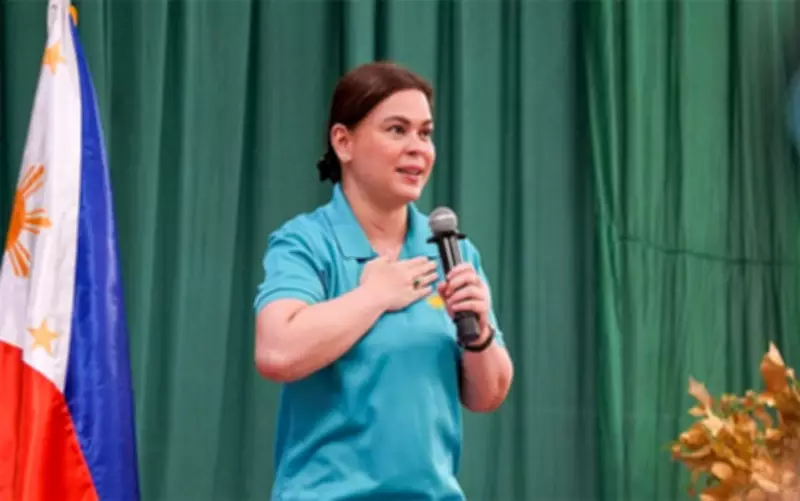
Impeachment Complaints Against Vice President Sara Duterte Advance in House Panel Review
The impeachment proceedings targeting Vice President Sara Duterte have progressed significantly after a key House panel cleared two complaints to move forward. On Monday, March 2, 2026, the House Committee on Justice ruled that two of the remaining impeachment complaints met the formal requirements under House rules. This decision allows the committee to proceed with examining whether the allegations are serious enough to warrant further action under the Constitution.
Complaints That Moved Forward in the Impeachment Process
The committee declared the third and fourth impeachment complaints sufficient in form, marking a critical step in the procedural review. The third complaint was filed by Fr. Jose Saballa and others, with endorsement from Mamamayang Liberal Party-list Representative Leila de Lima. During the hearing, San Juan City Representative Ysabel Maria Zamora, serving as vice chair, moved that the complaint be deemed sufficient in form. Committee chair Batangas Representative Gerville Luistro then declared it as such after no objections were raised to Zamora’s motion.
The fourth complaint was filed by lawyer Nathaniel Cabrera and endorsed by Deputy Speaker Francisco Paolo Ortega V and Manila Representative Bienvenido Abante Jr. Following a motion by GP Party-list Representative Jose Gay Padiernos, which was seconded without objection, Luistro also declared this complaint sufficient in form. It is important to note that being declared sufficient in form means the complaints complied with procedural requirements, such as proper verification and endorsement. This does not imply that the allegations have been proven or evaluated in depth at this stage.

Next Stage of Review: Determining Sufficiency in Substance
With these rulings, both complaints advance to the next phase: determination of sufficiency in substance. At this stage, the committee will assess whether the allegations, if assumed to be true, amount to impeachable offenses under the Constitution. The complaints cite betrayal of public trust, culpable violation of the Constitution, graft and corruption, bribery, and other high crimes as outlined in Article XI, Section 2 of the 1987 Constitution.
If the panel finds a complaint sufficient in substance, it could eventually be elevated to the full House of Representatives for further action, potentially leading to a formal trial in the Senate.
Why One Complaint Was Set Aside and Another Withdrawn
Not all complaints survived the initial review. Earlier in the hearing, the committee voted 22-10 to set aside the first impeachment complaint, which was filed on February 2, 2026, by former lawmakers and activist groups and endorsed by the Makabayan bloc. Lawmakers argued that it fell within the Constitution’s one-year bar, citing a Supreme Court ruling from July 25, 2025, which clarified that no impeachment proceeding may be commenced before February 6, 2026. They contended that the February 2 filing counted as the start of proceedings, thus violating this rule. The one-year bar serves as a constitutional safeguard to prevent multiple impeachment proceedings against the same official within a one-year period.
Additionally, the committee approved the withdrawal of a separate complaint filed by Tindig Pilipinas co-convener Francis Joseph “Kiko” Aquino Dee. In a letter to the panel, Dee and his co-complainants stated they were withdrawing their February 2, 2026 verified complaint after careful deliberation. They indicated they would instead support the third impeachment complaint filed by Saballa and others.
What Happens Next in the Impeachment Proceedings
The focus now shifts to whether the remaining complaints are sufficient in substance. If the committee determines that the allegations, taken at face value, constitute impeachable offenses, the process could move closer to a formal trial in the Senate. Conversely, if not, the complaints may be dismissed at the committee level.
For now, Vice President Sara Duterte remains in office as the House panel continues its review. The upcoming hearings will be crucial in determining whether these accusations advance beyond procedural checks and into a full constitutional test of accountability.