House Justice Committee to Commence Impeachment Deliberations Against President Marcos Jr. in Early February
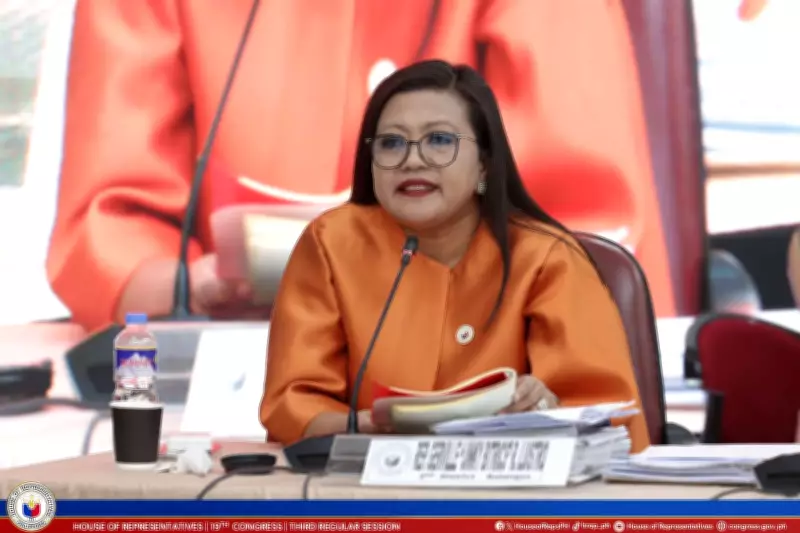
The House Committee on Justice is poised to initiate a critical phase in the impeachment process targeting President Ferdinand Marcos Jr., with hearings scheduled from February 2 to 4, 2026. This development marks a significant step in the congressional proceedings, as announced by Committee Chairperson Rep. Gerville “Jinky Bitrics” Luistro.
Consolidation of Complaints as a Key Initial Step
According to Rep. Luistro, the committee will first focus on consolidating the multiple impeachment complaints that have been formally submitted. This consolidation is a procedural requirement under the House rules and processes, ensuring that all grievances are treated as a unified case for efficient deliberation. Luistro emphasized that this prerogative rests solely with the Justice Committee, not with the complainants themselves.
Once consolidated, the complaints will be addressed simultaneously during the hearings, streamlining the examination process. This approach aims to prevent redundancy and maintain clarity in the legal and factual assessments.

Focus on Form and Substance in Preliminary Hearings
In the initial sessions, the committee will concentrate on evaluating the sufficiency in form and substance of the impeachment complaints. This involves a thorough review to determine whether the allegations meet the necessary legal standards and procedural requirements. If needed, additional hearings may be scheduled in the following weeks to ensure a comprehensive analysis.
Rep. Luistro also highlighted that the first hearing is expected to feature sponsorship speeches from the complainants, who will formally present their cases before the committee begins its formal scrutiny. This step is crucial for setting the tone and context of the impeachment proceedings.
Timeline and Procedural Considerations
Under the impeachment rules of the House, the Justice Committee has 60 session days to submit its report. Luistro stressed that this timeline cannot be rushed, as it allows for a meticulous and fair process. The extended period ensures that all aspects of the complaints are thoroughly examined, upholding the integrity of the congressional oversight function.
This impeachment process underscores the ongoing political dynamics within the Philippine government, reflecting broader discussions on accountability and governance. As the hearings unfold, they are likely to draw significant public and media attention, shaping the political landscape in the coming months.