NUP Lawmakers Introduce Anti-'Cong-tractor' Legislation in Congress
In a significant move to curb corruption, lawmakers from the National Unity Party (NUP) have filed two legislative proposals aimed at banning public officials from involvement in government procurement processes. The measures include House Bill No. 7917, known as the Anti-'Cong-tractor' Bill, which seeks to amend the Republic Act No. 12009 (New Government Procurement Act), and House Resolution No. 810, which proposes changes to House Rules to classify direct interest in government contracts as 'disorderly behavior' potentially leading to expulsion from Congress.
Scope and Penalties of the Proposed Bill
According to the bill, the prohibition extends to all elective and appointive public officials, as well as their relatives up to the fourth degree, nominees, agents, and beneficial owners. They are barred from participating in any aspect of government procurement. Violations would result in automatic disqualification, cancellation of awards, forfeiture of bid security, contract termination, blacklisting, and the filing of administrative, civil, and criminal cases in cases of misrepresentation or circumvention.
Statements from NUP Leadership
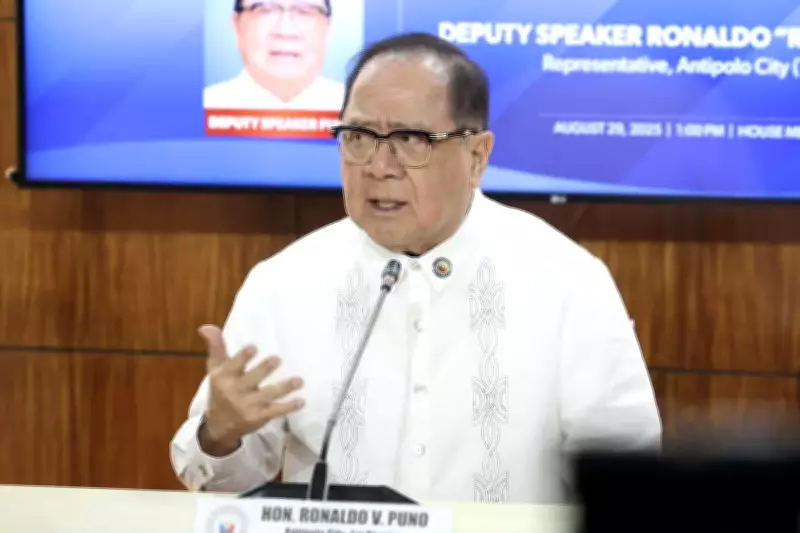
NUP Chairman and Deputy Speaker Ronaldo Puno emphasized that the primary goal of the legislation is to eliminate any participation of public officials in procurement activities. He stated, 'This bill is crucial for ensuring transparency and integrity in government dealings.'

House Resolution for Internal Enforcement
Accompanying the bill, the House Resolution aims to strengthen the internal rules of the Chamber. It specifies that a member's direct or indirect financial interest in a government contract could lead to expulsion, pending confirmation by the Committee on Ethics and Privileges and approval by a two-thirds vote of the members.
Legislative Priorities and Agenda
The NUP has prioritized the swift passage of both the Anti-'Cong-tractor' Bill and the House Rules amendment as key components of their legislative agenda. They argue that these measures are essential for promoting accountability and preventing conflicts of interest in government operations.