Congressman Rodriguez Challenges Legality of VP Duterte's Impeachment Complaints
In a recent statement, Cagayan de Oro Congressman Rufus Rodriguez has raised significant legal objections to the impeachment complaints filed against Vice President Sara Duterte. Drawing from his extensive experience as a lawyer, Rodriguez emphasized that the complaints, which center on Duterte's use of confidential funds during her tenure as Secretary of the Department of Education (DepEd), are fundamentally flawed from a jurisdictional standpoint.
Legal Expertise and Background
Reflecting on his past encounters with Rodriguez during corporate cases at the Securities and Exchange Commission (SEC), observers have long admired his sharp legal mind. This acumen has now been applied to the high-profile impeachment issue, where Rodriguez argues that the House of Representatives lacks the authority to proceed with the complaints against Duterte in her capacity as DepEd Secretary.
Jurisdictional Argument Explained
According to Rodriguez, the alleged misconduct involves Duterte's actions within the DepEd, an office under the executive branch headed by the President. Therefore, any legal scrutiny should fall under the jurisdiction of the President's office, not the House of Representatives. He clarified that if the complaints were based on confidential fund usage in her role as Vice President, impeachment would be permissible, but the current focus on DepEd activities renders them invalid.

Implications and Public Reaction
This legal clarification has sparked widespread debate among the public and political circles. Key questions now arise:
- Will the House of Representatives dismiss the impeachment complaints in light of Rodriguez's arguments?
- Could this issue be elevated to the Supreme Court for a definitive ruling on jurisdictional matters?
- How will this affect ongoing political dynamics and public trust in governmental processes?
Rodriguez's intervention highlights the intricate balance between legal technicalities and political accountability, urging a careful examination of constitutional provisions.
Broader Context and Related Concerns
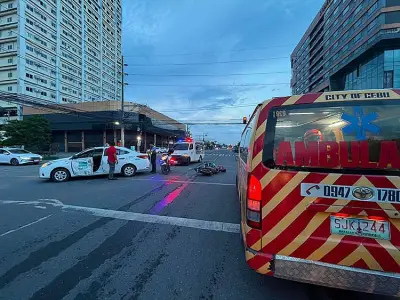
In a tangential but relevant note, Rodriguez's stance echoes broader concerns about legal overreach in other areas. For instance, he questioned whether the Cebu City Police have the authority to mandate compensation for damages in traffic accidents without court adjudication, emphasizing that such decisions should rest with judges, not law enforcement. This analogy underscores the importance of adhering to proper legal channels and jurisdictional limits in all governmental actions.
As the situation unfolds, all eyes are on the House of Representatives and potential judicial interventions to resolve these pressing legal questions.