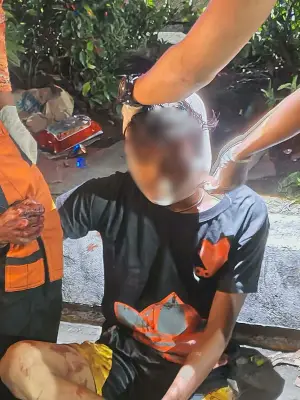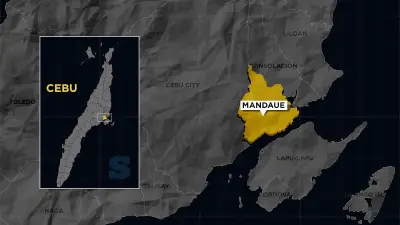
A hit-and-run incident in Cebu City that killed a young businessman has spurred legislative action to toughen penalties against drunk driving. On February 8, 2026, 23-year-old entrepreneur Kingston Ralph Cheng was killed in a hit-and-run along Paseo Saturnino in Banilad, Cebu City. The suspect, Sean Andrew Pajarillo, allegedly struck Cheng with his vehicle but was not immediately apprehended. He was suspected of having consumed alcohol, but by the time he underwent a sobriety test, his blood alcohol concentration (BAC) had dissipated.
Current Penalties Under RA 10586
Republic Act No. 10586, the Anti-Drunk and Drugged Driving Act of 2013, imposes penalties on drivers under the influence of alcohol or illegal drugs. Under Section 12, if the violation does not result in physical injuries or homicide, the penalty is imprisonment of up to three months or a fine of P20,000 to P80,000. If physical injuries occur, the penalty follows Article 263 of the Revised Penal Code, with fines from P100,000 to P200,000. If homicide results, the penalty follows Article 249 of the Revised Penal Code, with fines from P300,000 to P500,000. For non-professional driver's license holders, the license is confiscated and suspended for 12 months on first conviction and revoked on second conviction. Professional driver's license holders face confiscation and revocation on first conviction, and they cannot obtain any driver's license thereafter.
Proposed Amendments via House Bill 8939
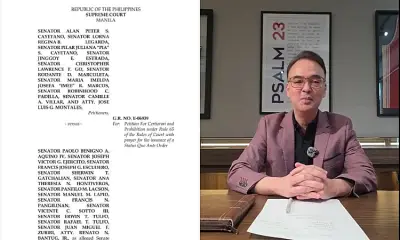
On April 22, Cebu City South District Representative Eduardo “Edu” Rama Jr., House deputy majority leader, filed House Bill 8939 to amend RA 10586. The bill seeks to impose heavier penalties, including reclusion perpetua (imprisonment of up to 40 years) and fines ranging from P700,000 to P1 million for drunk or drugged driving that occurs in vulnerable zones such as schools, hospitals, public markets, residential communities, and other pedestrian-heavy areas.

A zero-tolerance policy would be enforced, meaning zero alcohol for all drivers and operators of public utility vehicles and motorcycles. Private vehicle drivers would be allowed a maximum alcohol level of only 0.02 percent.
Mandatory Alcohol Testing and Evidence
Under the bill, alcohol chemical testing must be conducted within two hours of an accident resulting in bodily injury or death. A driver who refuses testing will be presumed under the influence of alcohol, though this presumption is disputable. The bill also allows the use of secondary evidence—such as witness testimony, video footage, and the suspect's behavior—to identify violations if primary chemical tests are not conducted, the driver refuses, or the evidence is inadmissible.
Road Safety Concerns
The bill also addresses unsafe road conditions in the Philippines, such as the lack of sidewalks and bike lanes, which force pedestrians onto roadways shared with vehicles. This danger is compounded when drivers are drunk or drugged. Another persistent problem is hit-and-run cases, where delays in apprehending suspects allow BAC levels to dissipate, hindering prosecution.