VP Sara Duterte Seeks Supreme Court Intervention to Halt Impeachment Proceedings
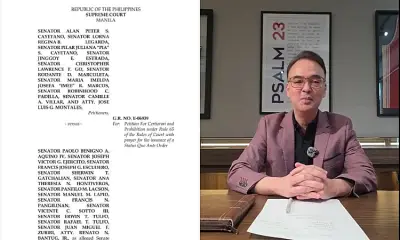
Vice President Sara Duterte has formally requested the Supreme Court to issue a temporary restraining order to suspend the ongoing impeachment proceedings against her in the House of Representatives. In a comprehensive 58-page petition filed recently, the Vice President argued that the House justice committee's actions exceed its constitutional authority and should be declared null and void.
Constitutional Challenges Raised
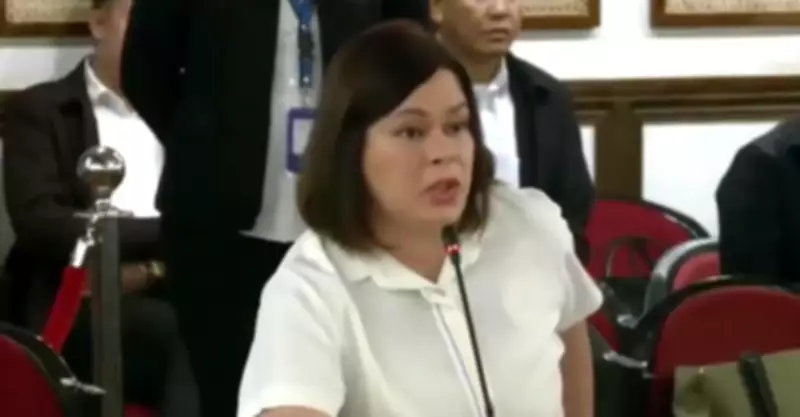
Duterte contends that the committee is effectively conducting what she describes as a "mini-trial," a function she asserts belongs exclusively to the Senate under constitutional mandates for impeachment cases. She emphasized that the current proceedings violate fundamental due process principles, claiming she has not been afforded adequate opportunity to defend herself against the allegations.
The impeachment complaints against Duterte include multiple serious accusations:

- Alleged misuse of confidential government funds
- Improper declaration of assets and financial interests
- Abuse of power and authority
- Threats against President Ferdinand Marcos Jr.
Questioning the Legal Basis
The Vice President maintains that these allegations are based primarily on speculation and conjecture rather than substantive evidence, arguing they do not meet the threshold for impeachable offenses under Philippine law. She further challenges the procedural validity of the impeachment process, citing potential violations of the one-year bar rule and alleged failures to follow established House rules and protocols.
"The proceedings have deviated from constitutional requirements and established legal standards," Duterte asserted in her petition, emphasizing the need for judicial intervention to preserve constitutional integrity.
Legislative Response and Counterarguments
Several lawmakers have pushed back against Duterte's claims, maintaining that the impeachment complaints were properly referred through appropriate channels and comply with constitutional provisions and existing legislative rules. These legislators argue that the committee hearings serve a crucial investigative function, allowing for evidence gathering and determination of whether the case should proceed to trial.
Additional documentation and witness testimonies are expected to emerge in the coming days as the committee continues its examination of the allegations. The contrasting positions highlight the deepening constitutional debate surrounding impeachment procedures and the separation of powers between legislative and judicial branches.
Awaiting Judicial Determination
The Supreme Court now faces the significant task of deciding whether to grant Duterte's request for a temporary restraining order or allow the impeachment proceedings to continue uninterrupted. This decision carries substantial implications for the balance of power among government branches and could establish important precedents for future impeachment cases.
Legal observers note that the court's ruling will determine not only the immediate fate of the proceedings against the Vice President but also clarify constitutional interpretations regarding impeachment processes and legislative authority. The nation awaits the high court's determination as this constitutional confrontation unfolds.