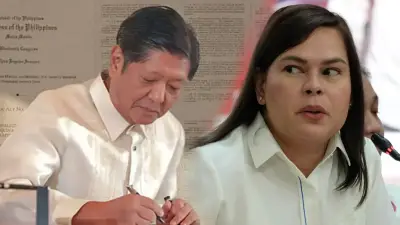
President Ferdinand Marcos Jr., alongside church leaders and civic groups, has consistently emphasized the critical need for citizen involvement in combating corruption, particularly in flood control projects. This call to action has now materialized with the launch of a new initiative designed to empower ordinary people to monitor government projects, identify failures, and report them to authorities.
Launch of Bisto Proyekto: A New Era of People Power
On February 21, 2026, the "Bisto Proyekto" ("Project Exposed") was officially launched, marking a significant step toward turning rhetoric into reality. The launch event featured the signing of a memorandum of agreement, live citizen inspection reports from volunteers via Zoom, and a panel discussion that brought together civil society leaders and officials from the Department of Public Works and Highways (DPWH).
Symbolism and Significance
The initiative is deliberately symbolic, representing a modern form of "people power" forty years after the Edsa revolution. Instead of taking to the streets, citizens are now encouraged to engage directly on project sites. The full title, "Bisto Proyekto: Ang bagong people power," with the tagline "Sama-samang inspeksyon ng flood control projects" ("Inspecting together flood control projects"), underscores this collaborative approach.

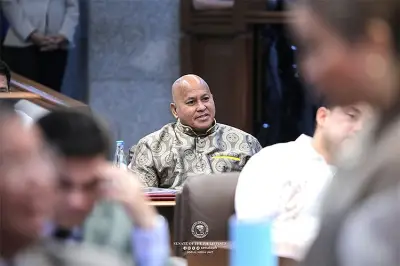
Key figures expected at the launch included Ombudsman Jesus Crispin Remulla, DPWH Undersecretary Nicasio Conti, and Cardinal Pablo Virgilio "Ambo" David, highlighting broad support across government and religious sectors.
How Bisto Proyekto Works
The initiative, led by the Taongbayan Action for Participatory and Transparent Governance (Tapat), supports a Memorandum of Cooperation among the DPWH, Catholic Bishops' Conference of the Philippines, Mayors for Good Governance, and Tapat. It operates through a dedicated website that lists projects per region, including budget allocations, project descriptions, and reported statuses. For example, in Region 7 or Central Visayas alone, it catalogs 13,883 projects.
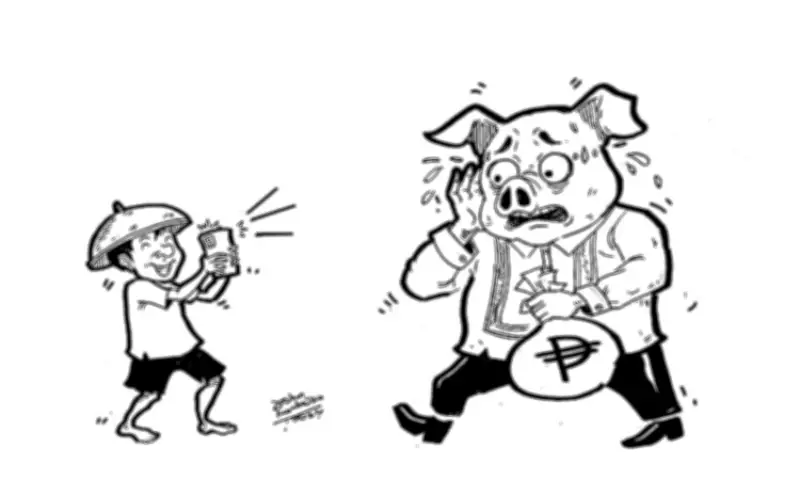
The core belief driving "Bisto Proyekto" is that with affected communities actively monitoring projects, implementers will be deterred from misusing public funds. This people-led flood control monitoring and inspection platform aims to foster accountability by making infrastructure projects—such as dikes, drainage canals, and bridges—highly visible and verifiable by citizens.
Challenges and Considerations
While the initiative is laudable, its success hinges on several factors. Foremost is sustained citizen participation in monitoring, reporting, and advocating for punitive actions. Public interest must be maintained over the long term, as fighting corruption requires ongoing vigilance rather than sporadic enthusiasm.
Additionally, critical questions remain: Will responsible agencies respond promptly to reports? Will findings lead to concrete actions, such as referrals to bodies like the Commission on Audit or the Ombudsman? How can citizen monitors be protected from harassment, and how can the project be safeguarded against political weaponization?
The Path Forward
Despite these challenges, "Bisto Proyekto" deserves support as a proactive measure against corruption. Its true success will be measured by tangible outcomes: the number of flood control projects completed, roads repaired, and contractors compelled to adopt ethical practices. By leveraging citizen power, this initiative has the potential to transform infrastructure governance and restore public trust in government projects.