The unexpected force of Typhoon Tino, which made landfall in northern Cebu, left a trail of destruction that has ignited a fierce call for political change. What many initially saw as a natural disaster has rapidly transformed into a powerful indictment of alleged government corruption and years of environmental mismanagement.
A Community Shattered by Storm and Negligence
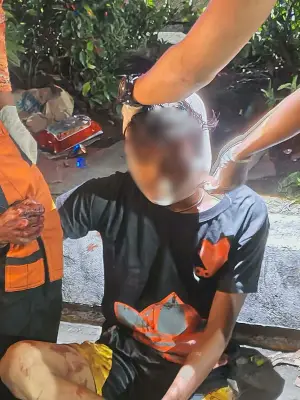
When Typhoon Tino struck, its powerful winds and torrential rains triggered flash floods, landslides, and mudflows that obliterated homes and property. The scale of the devastation caught residents off guard, but for the student community, the disaster was a preventable tragedy.
Hillary Leighn De Guia described the scene in Danao as tragic, with houses rendered unrecognizable by the violent floodwaters. She voiced a sentiment echoed by many: "The one who should be accountable for this is the government." She pointed to unstable riverbanks and bridge foundations, arguing that proper flood control infrastructure could have significantly reduced the overflow.

The Root Causes: Environmental Neglect and Failed Projects
The criticism extends beyond immediate disaster response to systemic failures. De Guia highlighted unchecked deforestation as a critical factor, alleging that the Department of Environment and Natural Resources (DENR) approved projects without proper inspections. The removal of trees, she asserted, directly contributed to the intensity of the flooding.
In the aftermath, communities faced a severe lack of basic utilities. Shirlit Cabahug reported no electricity and water shortages in many areas. Nash Cuyos shared the anxiety of dealing with power outages, water scarcity, and the looming threat of food shortages.
A Demand for Justice, Not Sympathy
While government aid arrived, a profound sense of frustration remained. Residents believe the massive flooding was a man-made crisis enabled by official neglect. Nash Cuyos labeled the situation as "pathetic," citing "ghost flood control projects" and disputes among local government units over disaster preparedness.
The call is now for concrete action. Cebuanos are not asking for empathy; they are demanding justice and accountability from all officials involved in the alleged mismanagement. For the youth, Typhoon Tino was a stark revelation of a rotten system. As Cuyos expressed, the hope is for the archipelago to be treated well by future leaders, a change they see as essential to preventing a repeat of this tragedy.